Naira & FX
Naira Hits 3-Month Low of ₦1,367.61 Despite CBN Dollar Sales
Lagos, 27 October 2026 · Gopexly Desk · Published 27 October 2026 at 11:00 · Updated 9 November 2026 at 11:09 · 5 min read
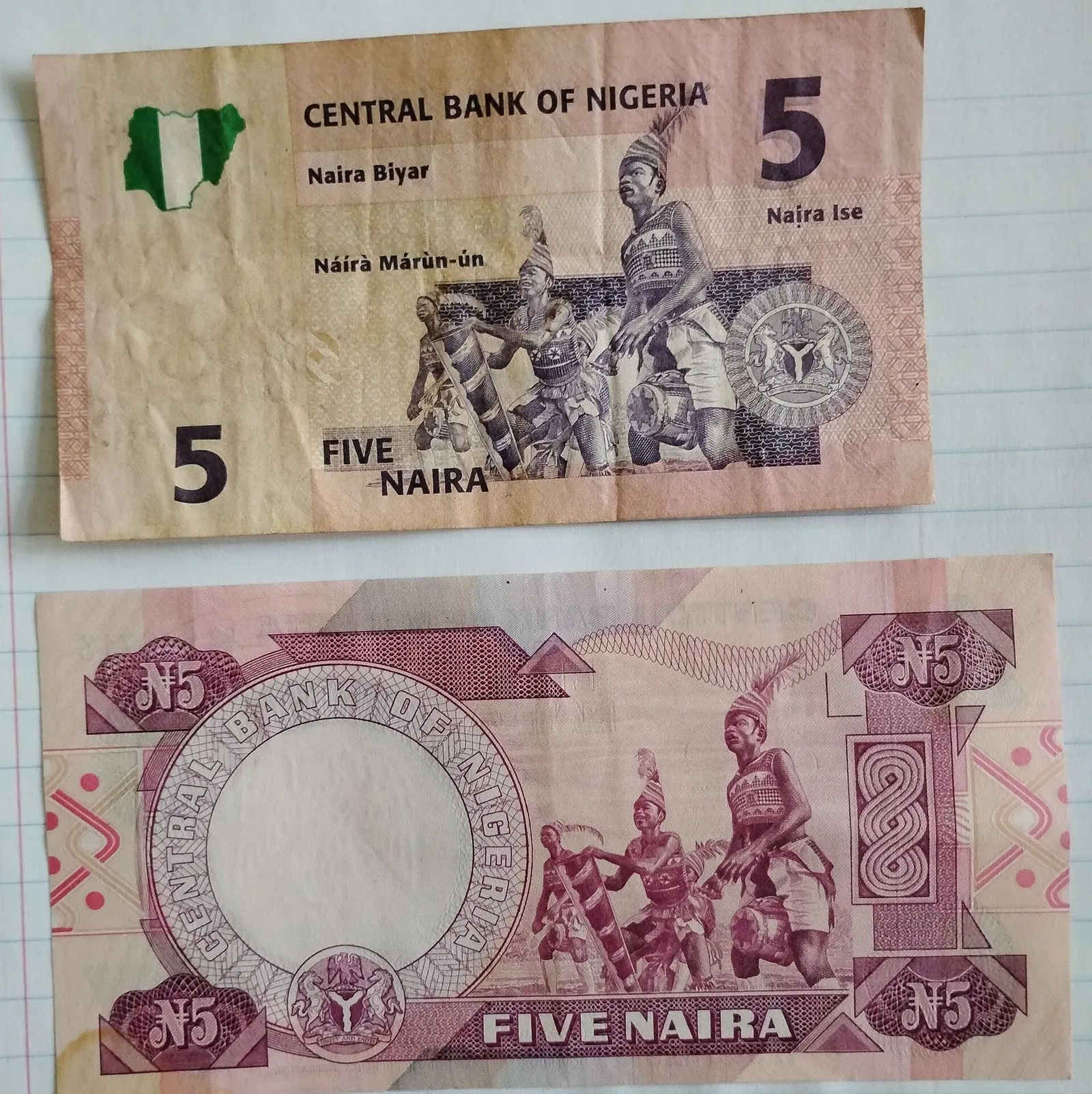

The naira weakened to ₦1,367.61 per US dollar at the official Nigerian Foreign Exchange Market (NFEM) on Monday, 26 October 2026, according to Central Bank of Nigeria (CBN) data, down from ₦1,361.84 on Friday. BusinessDay reports that it was the naira's weakest level since 31 July. The move came after a record $3.24 billion changed hands at the NFEM on Friday and after the CBN stepped up dollar sales during the week. Analysts say it is too early to call it capital flight.
The last six trading days
The CBN publishes an NFEM rate each day, which is a weighted average of trades and serves as the official rate, plus a closing quote and the day's range.
| Day | NFEM rate (₦/$) | Closing quote | Day's range | NFEM turnover |
|---|---|---|---|---|
| Mon 19 Oct | 1,333.72 | 1,333.50 | 1,332.50 to 1,334.50 | $331.3m |
| Tue 20 Oct | 1,333.65 | 1,334.99 | 1,331.80 to 1,335.00 | $322.2m |
| Wed 21 Oct | 1,334.72 | 1,337.00 | 1,333.00 to 1,337.00 | $518.5m |
| Thu 22 Oct | 1,344.40 | 1,365.00 | 1,336.00 to 1,369.00 | $1.16bn |
| Fri 23 Oct | 1,361.84 | 1,370.00 | 1,340.00 to 1,395.00 | $3.24bn |
| Mon 26 Oct | 1,367.61 | 1,365.00 | 1,359.00 to 1,380.00 | not yet published |
Source: CBN NFEM data, downloaded 27 October. Turnover is rounded.
Since Wednesday, the official rate has moved by ₦32.88, a fall of about 2.4% in the naira's value, by our calculation. Monday's drop was smaller, ₦5.77 or about 0.4%, and the closing quote actually improved to ₦1,365 from ₦1,370. The highest trade on Monday was ₦1,380, below Friday's ₦1,395. That suggests the pressure eased a little at the start of the week, but it did not reverse.
Friday's $3.24 billion NFEM turnover was almost three times Thursday's figure, and BusinessDay calls it a record. Interbank turnover was $1.01 billion on Friday, also a record according to BusinessDay, and fell to $614.25 million on Monday.
How much has the CBN sold?
The CBN does not publish its daily interventions, so the figures come from market reports. BusinessDay, citing market information, said the CBN sold $150 million on Wednesday and $300 million on Thursday before stepping up. It then reportedly sold $300 million at ₦1,345 and $500 million at ₦1,344, putting reported sales at $800 million by 1:30 p.m. on Thursday. The report does not make clear whether the earlier Thursday sale is part of that total. MediaTalk Africa carried the same figures.
BusinessDay's Monday report also carries the line "As CBN sells $500m", but the article gives no detail on when or at what rate. Treat that number as unconfirmed until the CBN or more reports confirm it.
Street and card rates
| Rate | Friday | Monday | Source |
|---|---|---|---|
| Parallel market (₦/$) | ₦1,377 or ₦1,385 | ₦1,382 | BusinessDay |
| First Bank international card rate | ₦1,375 | ₦1,395 | BusinessDay |
| Stanbic IBTC naira card rate | n/a | ₦1,375 | BusinessDay |
Two BusinessDay reports give different Friday parallel-market rates: ₦1,385 in the 23 October story and ₦1,377 in the 27 October story. We show both. On Monday's figures, the gap between the official and street rates was about 1.1%.
Vanguard's morning rate page on 27 October said the naira "opened around ₦1,339.93". That does not match the CBN's published data for Monday, and we have not used it.
Is money leaving Nigeria?
Not clearly. Ayodeji Ebo, chief executive of MDU Capital, told BusinessDay it was premature to conclude that foreign portfolio investors were exiting based on two days of CBN sales. He said demand could reflect large one-off transactions or import payments. He added that slightly lower fixed-income yields might be leading some fund managers to take profits. Ayokunle Olubunmi of Agusto & Co. and Muda Yusuf of the Centre for the Promotion of Private Enterprise also said several weeks of data would be needed.
The CBN has a large buffer. Gross external reserves were $55.17 billion on 23 October, up 28.6% from a year earlier, according to CBN data cited by BusinessDay. CBN Deputy Governor Muhammad Sani Abdullahi said reserves and expected inflows tied to Nigeria's return to a J.P. Morgan bond index support stability. He warned that stronger dollar demand, volatile oil prices and disruption around the Strait of Hormuz remain risks.
What this means for you
- Foreign payments cost more. If you pay school fees, subscriptions or travel costs in dollars, a $1,000 bill now costs about ₦1,367,610 at the official rate, against ₦1,334,720 last Wednesday, by our calculation. Card rates are higher still.
- Watch the trend, not one day. Monday's closing quote improved even as the average rate weakened. The next few sessions will show whether last week's demand was a one-off.
- Some listed firms gain, some lose. A weaker naira raises costs for importers and firms with dollar debt, and can lift naira earnings for exporters. Check how each company you hold earns and spends.
This is for information only and is not investment advice.
FAQ
What is the naira to dollar rate today?
The latest CBN NFEM rate is ₦1,367.61 per dollar for Monday, 26 October 2026. Street rates were around ₦1,382, according to BusinessDay.
Why is the naira falling?
Dollar demand jumped late last week, with record NFEM turnover on Friday. Analysts point to large one-off payments, import bills and some profit-taking by foreign investors. They say more data is needed to know if the trend will last.
Did the CBN sell dollars to support the naira?
Yes, according to market reports. BusinessDay said reported CBN sales reached $800 million by early afternoon on Thursday, 22 October. The CBN has not published official intervention figures.
Sources
- Central Bank of Nigeria, NFEM daily rates (data behind cbn.gov.ng/rates, downloaded 27 Oct 2026)
- BusinessDay, "Naira falls to three-month low of N1,367.61 amid record FX turnover" (27 Oct 2026)
- BusinessDay, "Naira weakens N17.44 as interbank FX turnover hits record $1.01bn" (23 Oct 2026)
- MediaTalk Africa, "Naira Depreciates as CBN Sells $800M to Meet Dollar Demand" (23 Oct 2026)
- Vanguard, "Dollar to Naira exchange rate today, October 27, 2026"
This note is for education. It is not a recommendation to buy or sell any share.
Tags: Naira, FX, CBN, Exchange Rate, Foreign Investors