Naira & FX
FX Turnover Hits $3.42bn as Festive Demand Tests Naira
Lagos, 17 November 2026 · Gopexly Desk · Published 17 November 2026 at 06:00 · Updated 17 November 2026 at 08:30 · 6 min read
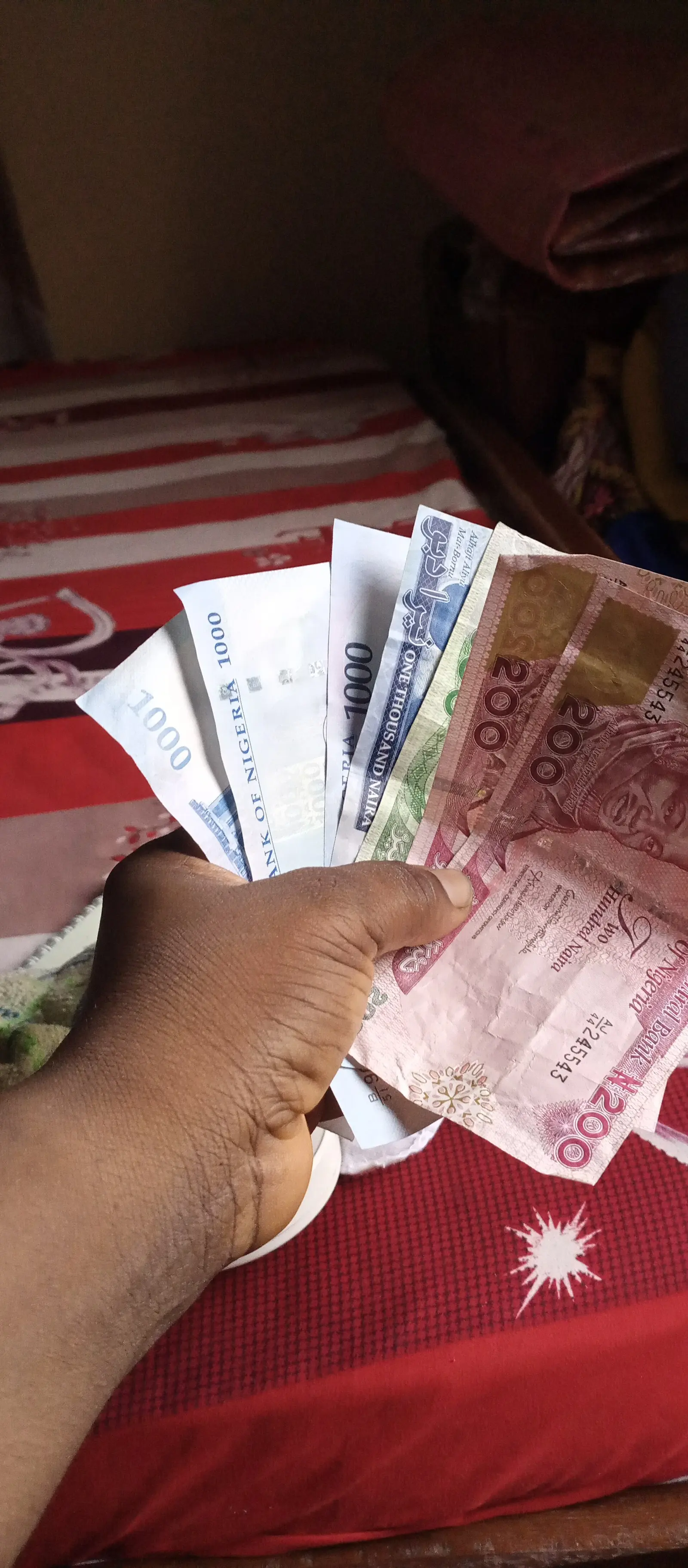

Dollar trading in Nigeria's official foreign exchange market almost doubled last week. Turnover rose 89.17% to $3.42 billion in the week ended 13 November 2026, from $1.81 billion the week before, according to FMDQ data reported by Nairametrics. At the same time, traders and economists warn that festive-season spending and early campaigning for the 2027 elections are adding to dollar demand, especially in the parallel market.
The naira started this week slightly weaker. Central Bank of Nigeria (CBN) data show it closed at N1,357.19 per dollar at the Nigerian Foreign Exchange Market (NFEM) on Monday, 16 November, from N1,353.97 on Friday, a loss of N3.22, Daily Post reported.
FX turnover at a glance
| Week ended | Turnover |
|---|---|
| 30 October 2026 | $3.71bn |
| 6 November 2026 | $1.81bn |
| 13 November 2026 | $3.42bn |
Source: FMDQ via Nairametrics.
Weekly turnover has swung from $3.71 billion to $1.81 billion and back to $3.42 billion in three weeks. Even after the rebound, last week's figure was still about 8% below the week ended 30 October.
Average daily turnover rose to $684.18 million from $361.67 million.
Spot trading drove the rebound
Spot deals, where currency changes hands almost immediately, made up most of the rise. Spot turnover climbed 81.73% to $3.25 billion from $1.79 billion, about 90.5% of the weekly increase. Spot trades were 94.89% of all turnover, down from 98.77% the week before.
Forward contracts, used by businesses to lock in a future exchange rate, jumped almost eightfold. They rose 687.97% to $174.93 million from $22.20 million, and their share of turnover rose to 5.11% from 1.23%. Nairametrics cautions that this jump came from a small base, and that it measures new contracts during the week, not all outstanding positions. A rise in forwards can show that more firms want protection against a weaker naira ahead.
Official and street rates
The rebound in trading came as the naira softened. It closed at N1,349 per dollar in the week ended 6 November, slipped to N1,364 on 11 November, then recovered to N1,358.50 on 12 November.
Street rates are harder to pin down, and sources disagree:
- Daily Post quoted a Lagos dealer at N1,445 per dollar on Monday, 16 November.
- Arbiterz said BDC operators quoted N1,417 on Monday, up from N1,408 on Friday.
- Vanguard reported a Lagos and Abuja selling rate of about N1,390 on Monday morning.
Nairametrics had earlier put the parallel rate at N1,445 on 12 November, a gap of N86.50 with the official rate. Using Monday's official N1,357.19 and the range of street quotes above, the gap is somewhere between about N33 and N88, depending on the source and location. Parallel rates vary by city, dealer and deal size, so they should be read as a guide, not a single price.
Why dollar demand is rising
Festive spending. BDC operators in Abuja told Nairametrics that people and businesses have started buying dollars ahead of the holidays. The season usually brings more demand for travel, foreign school fees, medical bills and overseas shopping.
Election spending. Yusha'u Aliyu, an economic analyst linked to the Institute of Professional Economists and Policy Management, said: "anytime electioneering is taking place, there is high demand for foreign exchange. And they cannot do that at official window. They have to go to the parallel market." He also pointed to imported election equipment used by the Independent National Electoral Commission (INEC).
Dr Muda Yusuf, Chief Executive of the Centre for the Promotion of Private Enterprise (CPPE), said political cash spending could favour the parallel market because of "traceability issues", adding that dollars are easier to move around than large amounts of naira.
Access to official dollars. BDC operators also blamed difficulty in getting FX from banks. "When legitimate demand cannot be satisfied at the official rate, businesses and individuals turn to the parallel market," said Bamanga Mohammed, a BDC operator. Another operator, Rahman Kanjiwa, said much of the CBN's dollar supply goes through banks and priority sectors, leaving a shortfall by the time it reaches retail buyers.
What the CBN has done
In February 2026, the CBN allowed licensed BDCs to buy up to $150,000 a week from any authorised dealer bank at market rates, to improve retail dollar supply. BDCs must follow know-your-customer rules, return unused dollars to the market within 24 hours, and keep cash to 25% of each deal.
In September, CBN Governor Olayemi Cardoso said the bank was prepared to manage liquidity pressure linked to spending ahead of the 2027 elections.
Gross external reserves were $54.87 billion as of 13 November, according to Daily Post, after falling from a 2026 high in late October.
What it means for investors
- For savers: A wider gap between official and street rates often comes with more naira volatility. Anyone planning foreign payments in December may want to plan early rather than rush at the last minute.
- For stock investors: Companies that import raw materials or have dollar debts are most exposed if the naira weakens. Exporters and firms that earn in dollars tend to benefit.
- For fixed income investors: Foreign demand for naira bonds and bills depends partly on confidence in the currency, so FX stability matters for yields too.
FAQs
What is the dollar to naira rate today? The naira closed at N1,357.19 per dollar at the official NFEM on Monday, 16 November 2026, according to CBN data reported by Daily Post. Parallel market quotes on Monday ranged from about N1,390 to N1,445, depending on the source.
Why did FX turnover jump last week? FMDQ data show spot trading rebounded strongly, rising 81.73% to $3.25 billion, while forward contracts rose almost eightfold from a small base. Total turnover rose 89.17% to $3.42 billion.
Will the elections weaken the naira? Nobody can say for certain. Analysts quoted by Nairametrics expect election spending to add to dollar demand in the parallel market, while the CBN says it is ready to manage the pressure.
Sources
- Nairametrics, "Nigeria's dollar turnover rises 89.17% to $3.42 billion as spot transactions rebound" (16 Nov 2026)
- Nairametrics, "Election spending, festive demand threaten Naira as parallel-official FX gap widens" (17 Nov 2026)
- Daily Post, "Exchange rate today, November 16, 2026: Naira depreciates across official, black markets" (16 Nov 2026)
- Arbiterz, "Naira-Dollar Rate (16 November 2026)"
- Vanguard, "Dollar to Naira exchange rate today, November 16, 2026"
Cover photo: Naira notes. Awe Fadekemi / Wikimedia Commons, CC BY-SA 4.0.
This is for information only and is not investment advice.
This note is for education. It is not a recommendation to buy or sell any share.
Tags: Naira, FX, CBN, Parallel Market, BDC, FMDQ, Elections