Banking
CBN Cut Rates, Yet OMO Yields Rose to 17.63%: Here's Why
Lagos, 26 October 2026 · Gopexly Desk · Published 26 October 2026 at 17:00 · Updated 9 November 2026 at 11:09 · 6 min read
 ZENITHBANK
 GTCO
 FIRSTHOLDCO
 WEMABANK
 FCMB
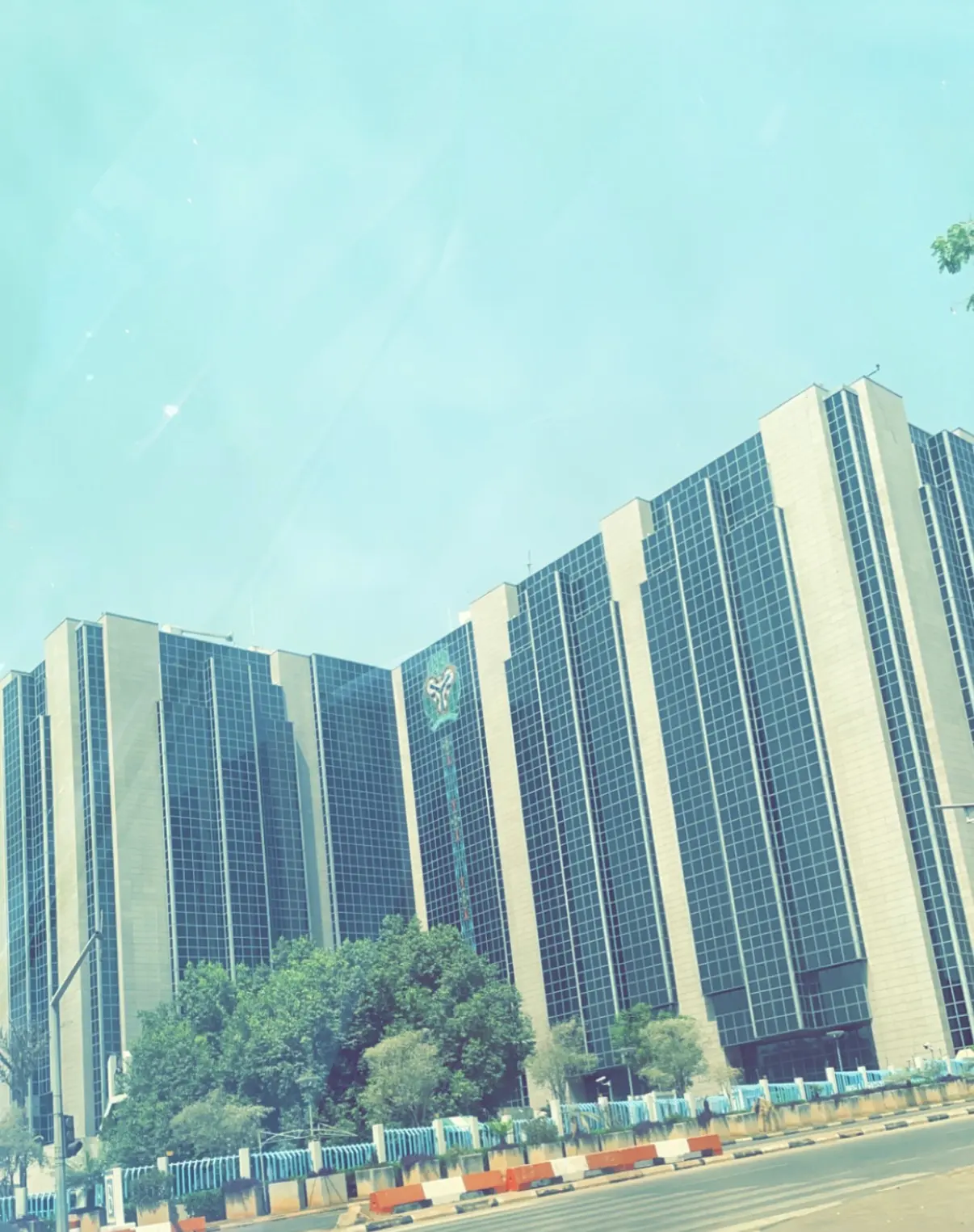

A month after the Central Bank of Nigeria (CBN) cut its benchmark rate by 350 basis points, it sold ₦2.6 trillion of Open Market Operations (OMO) bills on 22 October at yields of up to 17.63%, higher than at its previous auction. Banks are also still earning 20% on surplus cash left overnight with the CBN, and secondary-market Treasury bill yields edged up last week. The numbers suggest borrowing costs and savings returns are falling more slowly than the rate cut implied. That matters for bank profits, for savers and for anyone holding Treasury bills or money market funds.
The rate cut, in brief
In September the CBN cut the Monetary Policy Rate (MPR) from 26.5% to 23%. It also reset its corridor, putting the Standing Deposit Facility (SDF), where banks park spare cash, at 20%, and the Standing Lending Facility at 23.5%. The cash reserve requirement for commercial banks stayed at 45%, Nairametrics noted.
What the 22 October OMO auction showed
| OMO auction | 6 October | 22 October |
|---|---|---|
| Amount offered | ₦2 trillion | ₦2 trillion |
| Subscriptions | ₦3.51 trillion | about ₦2.7 trillion |
| Amount sold | about ₦3.31 trillion | about ₦2.6 trillion |
| Shorter bill | 147-day at 17.22% | 138-day at 17.63% |
| Longer bill | 182-day at 16.92% | 180-day at 17.14% |
Sources: Punch for 6 October; Nairametrics and Naija247news for 22 October. Nairametrics puts the 22 October sale at ₦2.628 trillion, about ₦629 billion more than offered, while Naija247news rounds it to ₦2.6 trillion.
Both yields rose by roughly 20 to 40 basis points from the previous auction, although the tenors are not identical. "One auction is not enough to establish another upward rate cycle," Nairametrics wrote, "but the October 22 result shows that the post-rate-cut decline has at least paused."
Plenty of cash, but not cheap money
The banking system is holding a lot of spare cash. Net liquidity ended last week at about ₦6.94 trillion, up from ₦6.28 trillion, after peaking at about ₦8.4 trillion midweek, Naija247news reported. Maturing OMO bills of about ₦2.1 trillion, ₦392.8 billion of Treasury bill repayments and ₦330 billion of other repayments added to the pool.
Reports differ on how much banks placed at the SDF: Naija247news says ₦7.9 trillion, while Nairametrics, writing earlier in the week, cited about ₦8.85 trillion. The figures probably refer to different days.
Even so, money is not cheap. The overnight rate was 20.36% and the open repo rate 20%. Longer interbank rates rose: one-month NIBOR climbed 45 basis points to 20.73%, three-month to 21.09% and six-month to 21.54%. The average secondary-market Treasury bill yield rose three basis points to 17.93%.
Part of the reason is that the CBN keeps soaking up cash. It also uses other tools: at a CBN Listens event in Ibadan last Thursday, a CBN director, Hakama Sidi-Ali, defended the 75% cash reserve requirement on non-TSA public-sector deposits, which was introduced in September 2025, as a way to manage liquidity and curb inflation, Punch reported.
What it means for bank profits
When rates fall, banks eventually earn less on new loans and government securities. Analysts had warned that the cut could squeeze bank margins. But Nairametrics argues the pressure may come slowly, because:
- OMO and bond yields are still above 17%. The 10-year government bond yield was 17.05% in the week to 16 October, and bonds sold at the 19 October auction cleared at 17.29% (2036) and 17.19% (2038).
- Existing loans and securities keep earning their old rates until they mature or reprice.
- Cheaper funding, stronger loan demand and fewer bad loans could offset some of the lost income.
Some banks are already relying less on government securities. In the first half of 2026, investment securities made up a smaller share of interest income at Wema Bank, GTCO, Zenith Bank and FirstHoldCo, while FCMB recorded a slight increase, according to Nairametrics. At Wema, the share fell from about 40.4% to 22.3%.
Because the cut came only days before the end of September, nine-month results due in the coming days will show little of its effect. The fuller picture will come in full-year 2026 results.
Forecasts for the rest of the year
- MorganCapital expects yields to fall gradually, with the 364-day Treasury bill at about 14.5% to 16%.
- Blue Marina expects the 364-day bill at about 16% by December, OMO stop rates around 17% and bond yields of 17% to 17.5%, with inflation falling to 13.80% and the MPR staying at 23%.
These are forecasts, not guarantees.
What this means for savers and investors
- Short-term yields are still high. Treasury bill yields of roughly 16.7% to 18.5%, depending on tenor, are still on offer. Money market fund returns usually track these rates.
- Lock-in versus flexibility. If rates do fall over the next year, longer tenors lock in today's yields for longer, but your money is tied up. Shorter tenors are more flexible, but the rate may be lower when you reinvest.
- For bank shareholders, watch net interest margin, not just interest income. Banks that grow good loans and keep funding costs low are better placed as rates fall.
- Supply this week. About ₦2.13 trillion of OMO bills and ₦130.72 billion of Treasury bills are due to mature, and a Treasury bill auction of about ₦800 billion is expected, Naija247news said.
- Stay alert. You can follow bank stocks and set price alerts on Gopexly's NGX stock pages, and learn how Treasury bills work in our free Academy lessons.
This is for information only and is not investment advice.
FAQ
What were the OMO auction rates on 22 October 2026?
The CBN sold 138-day bills at 17.63% and 180-day bills at 17.14%, against a ₦2 trillion offer. It sold about ₦2.6 trillion in total.
Why are interest rates still high after the CBN rate cut?
The CBN is still absorbing excess cash through OMO sales and reserve requirements, banks earn 20% at its deposit window, and government borrowing keeps bond and bill yields above 17%.
Will Treasury bill rates fall in Nigeria?
Analysts expect a gradual decline, with forecasts for the 364-day bill ranging from about 14.5% to 16% by year-end. Actual rates will depend on inflation, CBN operations and government borrowing.
Sources
- Nairametrics, "CBN reset rates by 350bps, yet market is still offering banks yields above 17%" (23 Oct 2026)
- Naija247news, "Nigeria's Banking System Liquidity Surplus Rises to ₦6.94tn as CBN Absorbs Excess Cash" (26 Oct 2026)
- Punch, "CBN eyes N6.3tn bank liquidity with N2tn OMO offer" (23 Oct 2026)
- Punch, "CBN defends 75% reserve requirement on public deposits" (25 Oct 2026)
- Gravitas Stockbrokers, NGX daily price list, 23 October 2026 (PDF)
This note is for education. It is not a recommendation to buy or sell any share.
Tags: CBN, OMO, Treasury Bills, Banks, Interest Rates