Economy
NISO Blames Gas Shortages and Low Hydro for Power Blackouts
Lagos, 6 November 2026 · Gopexly Desk · Published 6 November 2026 at 13:00 · Updated 9 November 2026 at 11:08 · 5 min read
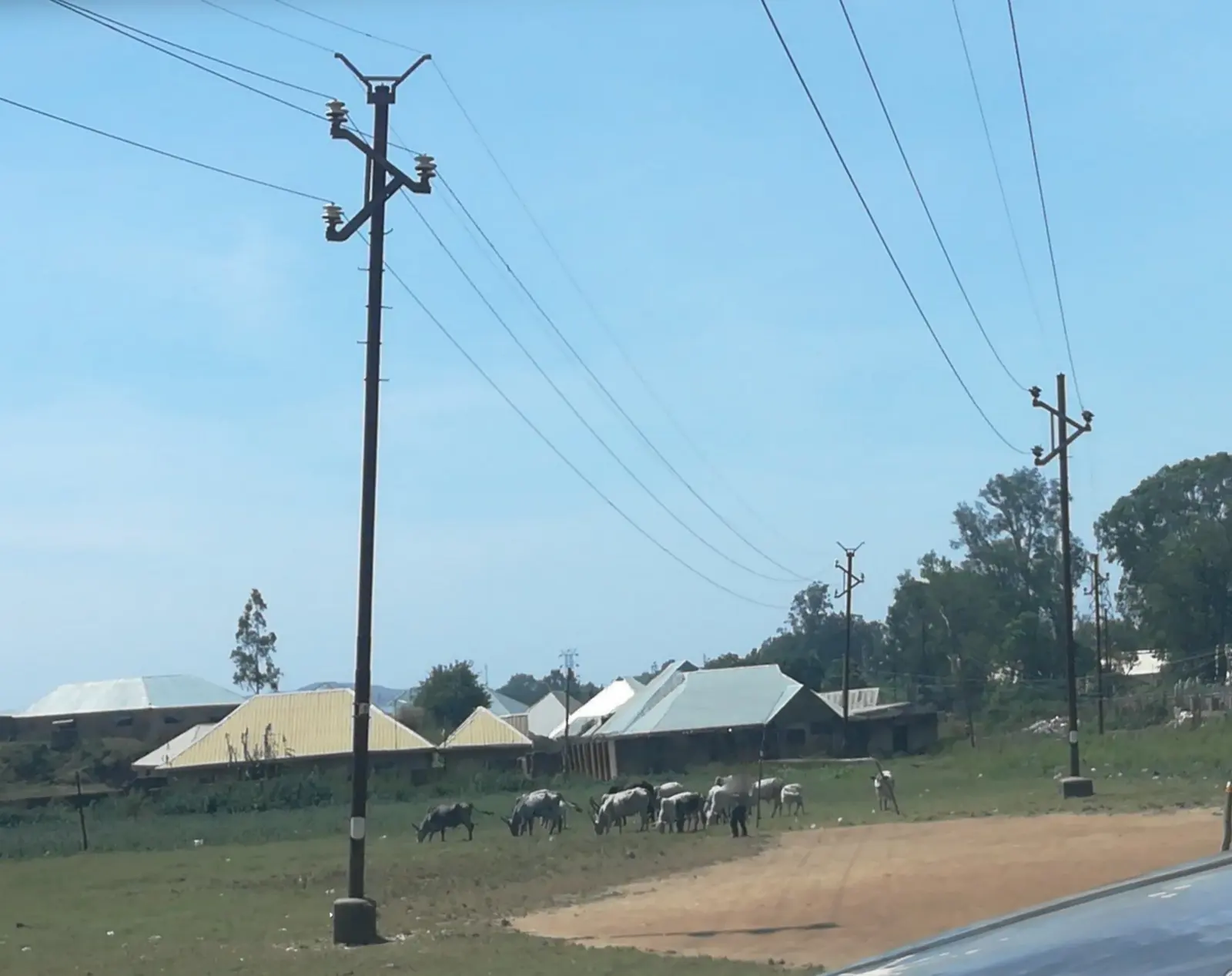

Nigeria's grid operator says the latest wave of blackouts is being driven by two problems at once: not enough gas for thermal power stations, and lower water inflows into hydroelectric reservoirs. The Nigerian Independent System Operator (NISO) said so in a statement on Thursday, 5 November 2026. Less generation means smaller allocations to Distribution Companies (DisCos), fewer supply hours and more load shedding, with the pain varying by network.
What NISO said
Nairametrics, Punch and BusinessDay all carry the same core message from NISO's 5 November statement:
- Gas constraints have stopped some thermal plants from running at their available capacity.
- Reduced water inflows have cut output from hydroelectric stations.
- The combined shortfall has reduced the electricity allocated to DisCos for customers.
- The result is shorter supply hours and increased load shedding, with the impact depending on each DisCo's allocation.
- NISO says it is working to diversify the grid's energy mix while keeping the system stable within current limits.
Punch quotes NISO saying the decline in generation on the national grid "is primarily attributed to constraints in gas supply to thermal power generating stations and reduced output from hydroelectric power stations." BusinessDay adds the familiar industry context: most grid capacity is gas-fired, so fuel disruptions show up quickly in megawatts delivered, while plants such as Kainji, Jebba and Shiroro move with river levels and rainfall.
None of the reports we read on 6 November published a new nationwide megawatt figure, a plant-by-plant outage list or a recovery date from NISO. The operator described the cause and the operating response; it did not quantify how many megawatts were lost that day.
How customers are feeling it
Nairametrics links the national statement to recent local notices. Ikeja Electric has told customers in parts of Lagos that insufficient allocation from the national grid was limiting supply hours. Abuja Electricity Distribution Company (AEDC) separately blamed a technical fault for outages in communities including Kado Fish Market, Life Camp Extension, Nizamiye Hospital, Diamond Court Estate and Idu Karmo. Those are different proximate causes on top of the national generation squeeze: one is allocation, the other a local fault.
Punch notes that the shortfall arrives amid intense heat, which raises demand for cooling just as supply hours shrink. It also cites NiMet's August 2026 climate update confirming a strong El Niño event, and a World Meteorological Organisation view that the phenomenon could strengthen into early 2027. Those climate references help explain why hydro inflows and heat stress are in the same conversation; they are not, by themselves, a measured explanation of Thursday's exact generation shortfall.
Why gas and hydro failing together hurts
Nigeria's grid has long run with thin spare capacity. When thermal output falls because gas is short, hydro is the main large-scale backup on the system. When hydro is also weak, DisCos have less to share and pass the deficit to customers as load shedding. Households and small businesses then lean harder on petrol and diesel generators or solar, which raises their own costs even if the tariff on the grid bill is unchanged.
Manufacturers have made the same point for years: unreliable power is an operating-cost problem, not only a comfort problem. BusinessDay frames the latest slump as another reminder of how tightly gas suppliers, generators, DisCos and the system operator are linked. A break in fuel delivery, payments or water levels quickly becomes fewer hours of light.
Where sources differ
- Tone versus numbers. All three major write-ups agree on NISO's cause list. None publishes a fresh official megawatt shortfall for 5 November in the articles we read. Do not treat any unofficial MW figure circulating on social media as confirmed.
- Local versus national causes. Ikeja Electric's recent Lagos notice pointed to low grid allocation; AEDC's FCT notice pointed to a technical fault. Both can be true in the same week without contradicting NISO's national explanation.
- Climate context. Punch puts El Niño and heat alongside the blackouts. NISO's statement, as quoted, sticks to gas and hydro inflows. Climate may affect reservoir levels over weeks and months; it is not a substitute for the operator's operational diagnosis.
- Diversification pledge. NISO says it is working on a more diverse energy mix. The reports do not list projects, timelines or capacity additions attached to that line.
What this means for you
- Expect uneven outages. Your hours depend on your DisCo's allocation and local network faults, not only on the national headline.
- Budget for backup energy. If you already run a generator or inverter, thinner grid hours raise fuel and battery costs even when the tariff is unchanged.
- For listed power and gas names, read the filings. A grid-operator statement is not earnings guidance for any generator, gas seller or DisCo stock.
- Watch for quantified updates. The next useful official release would name recovered megawatts, restored plants or a timetable. Until then, the confirmed facts are the cause and the load-shedding effect.
This is for information only and is not investment advice.
FAQ
Why is there less electricity on the national grid?
NISO says thermal plants are short of gas and hydro stations are producing less because of reduced water inflows into reservoirs.
Will my DisCo give me the same hours as another state?
Not necessarily. NISO says the impact varies with available generation and each DisCo's allocation.
Has NISO said when supply will return to normal?
In the 5 November statement covered by Nairametrics, Punch and BusinessDay, NISO did not give a recovery date. It said it would keep the grid stable and optimise the dispatch of available generation.
Sources
- Nairametrics, "FG blames gas shortages, low water inflows for Nigeria's power blackouts" (5 Nov 2026)
- Punch, "Gas shortages, low water levels reduce power generation — NISO" (5 Nov 2026)
- BusinessDay, "Nigeria's grid operator blames gas shortages, low water for power slump" (5 Nov 2026)
- The Guardian, "Gas shortages, falling hydro capacity worsen Nigeria's power crisis" (Nov 2026)
- Daily Trust, "FG explains low supply as blackout, heatwaves linger"
This note is for education. It is not a recommendation to buy or sell any share.
Tags: Power, NISO, Gas, Hydropower, DisCos