LatestPersonal Finance
FG Plans ₦85m NHF Mortgage Limit: What Workers Should Know
Lagos, 17 October 2026 · Gopexly Desk · Published 17 October 2026 at 15:00 · 5 min read
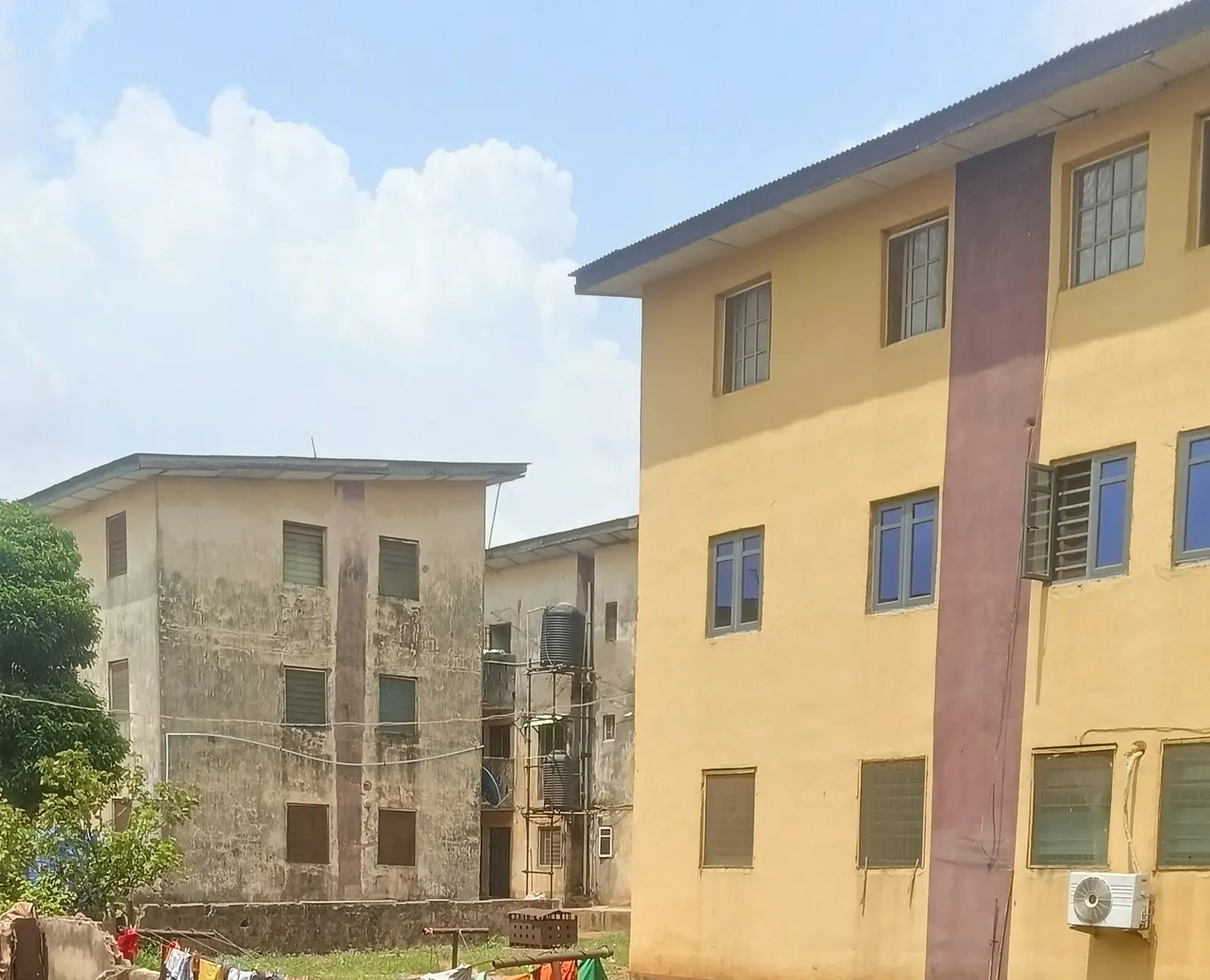
The Federal Government plans to raise the maximum mortgage loan available under its housing scheme from ₦50 million to ₦85 million and to grow the number of mortgages it delivers from a target of 2,000 this year to 5,000 by 2028, Housing Minister Muttaqha Rabe Darma said on 15 October. He also said the Federal Mortgage Bank of Nigeria (FMBN) will be directed to lend out at least 70% of the previous year's National Housing Fund (NHF) contributions as mortgages each year. These are proposals, not yet rules. Here is what they mean for workers who pay into the NHF.
What the minister announced
The minister spoke at the 15th meeting of the National Council on Lands, Housing and Urban Development in Sokoto. According to statements published by the Federal Ministry of Information and reports by The Guardian and Nairametrics, the plan includes:
| Proposal | Detail |
|---|---|
| Maximum mortgage loan | From ₦50 million to ₦85 million (proposed) |
| Mortgage target | 2,000 in 2026, rising to 5,000 by 2028 |
| FMBN lending rule | At least 70% of the previous year's NHF contributions lent as mortgages every year |
| Informal sector share | 30% to 40% of mortgage bookings |
| New regulator | A National Housing Finance Authority |
| Social housing | 100 housing units in each of the 774 local government areas |
| Diaspora | A recently launched Diaspora Mortgage Programme |
The minister said a working mortgage system matters as much as building houses, citing Rwanda's reforms as a model.
How the NHF loan works today
The NHF was set up by law in 1992. Workers contribute 2.5% of their monthly basic pay, which is passed to FMBN. In return, contributors can apply for a cheap, long-term home loan through an accredited primary mortgage bank. According to the published terms of FHA Mortgage Bank, one such lender:
- You must be over 18 and have contributed for at least six months.
- The interest rate is 6% a year.
- The longest term is 30 years, but the loan must be repaid by retirement at 60.
- No more than one third of your income can go to repayments.
- You can get the loan only once in your lifetime.
- It is for buying, building or renovating a home, not for buying land.
- The current ceiling is ₦50 million, with lower limits based on how much you contribute each month.
What ₦85 million would cost each month
To show the scale, we worked out repayments assuming today's 6% rate and a 30-year term. The proposal did not say whether the rate would change, so treat these as illustrations only.
| Loan amount | Monthly repayment (our estimate) | Monthly income needed at one-third rule |
|---|---|---|
| ₦15 million | about ₦89,900 | about ₦270,000 |
| ₦25 million | about ₦149,900 | about ₦450,000 |
| ₦50 million | about ₦299,800 | about ₦900,000 |
| ₦85 million | about ₦509,600 | about ₦1.53 million |
The takeaway: a higher ceiling helps people who already earn well, because the one-third rule still decides how much you can borrow. For most workers, the bigger question is whether FMBN actually lends more money, faster.
Why the 70% rule matters
Many contributors complain that they pay into the NHF for years but never get a loan. The 70% directive is meant to close that gap by forcing more of the money collected into mortgages. Nairametrics previously reported that FMBN collected ₦152.4 billion in NHF contributions in 2025, up 48% from ₦103 billion in 2024, and approved ₦71.5 billion in housing loans in 2024. If the 70% rule had applied to the 2025 collections, about ₦107 billion would have to go out as mortgages in a year, our own calculation.
FMBN has also said it needs more capital. In February 2026 it set a target of ₦750 billion in recapitalisation, saying weak capital limits how much housing it can finance.
Informal workers get a quota
The plan to reserve 30% to 40% of mortgage bookings for informal sector workers is the most important change for traders, artisans and small business owners. Many have irregular income and no payslip, which shuts them out of normal lending. Under existing practice, informal workers can join the scheme through a registered cooperative society.
The hard parts
Lawmakers at the meeting listed what else is needed. Awaji-Inombek Abiante, who chairs the House Committee on Urban Development and Regional Planning, called for single-digit interest rates, a review of house prices, faster land registration and cheaper local building materials.
What this means for investors
- For contributors. Check your NHF contribution record and keep proof of payments. You will need at least six months of contributions and clean property title documents.
- For first-time buyers. At 6%, an NHF loan is far cheaper than commercial mortgages, so it is worth exploring before other options.
- For property and mortgage stocks. More mortgage lending would help developers and mortgage banks, but only if the money flows. Watch for the final policy and actual disbursements.
This is for information only and is not investment advice.
FAQ
What is the maximum NHF mortgage loan in Nigeria?
It is currently ₦50 million. The Federal Government has proposed raising it to ₦85 million, but the change has not yet taken effect.
What is the interest rate on an NHF loan?
NHF mortgage loans are offered at 6% a year, with terms of up to 30 years, according to published lender terms.
Can informal sector workers get an NHF mortgage?
Yes. They can join through a cooperative society, and the government now plans to reserve 30% to 40% of mortgage bookings for informal sector workers.
Sources
- Federal Ministry of Information and National Orientation, "FG Targets 5000 Mortgages Delivery, 85 Million Maximum Loan By 2028" (15 Oct 2026)
- The Guardian Nigeria, "FG targets 5,000 mortgage delivery, N85m maximum loan by 2028" (15 Oct 2026)
- Nairametrics, "FG proposes N85 million mortgage ceiling, targets 5,000 mortgages by 2028" (16 Oct 2026)
- FHA Mortgage Bank, National Housing Fund (NHF) Loan terms
This note is for education. It is not a recommendation to buy or sell any share.
Tags: Mortgage, FMBN, National Housing Fund, Real Estate, Housing