Markets
10 Stocks Hold 73% of NGX Value: Why One Fall Hits Hard
Lagos, 6 November 2026 · Gopexly Desk · Published 6 November 2026 at 17:00 · Updated 9 November 2026 at 11:08 · 5 min read
 DANGCEM
 AIRTELAFRI
 MTNN
 BUAFOODS
 BUACEMENT
 SEPLAT
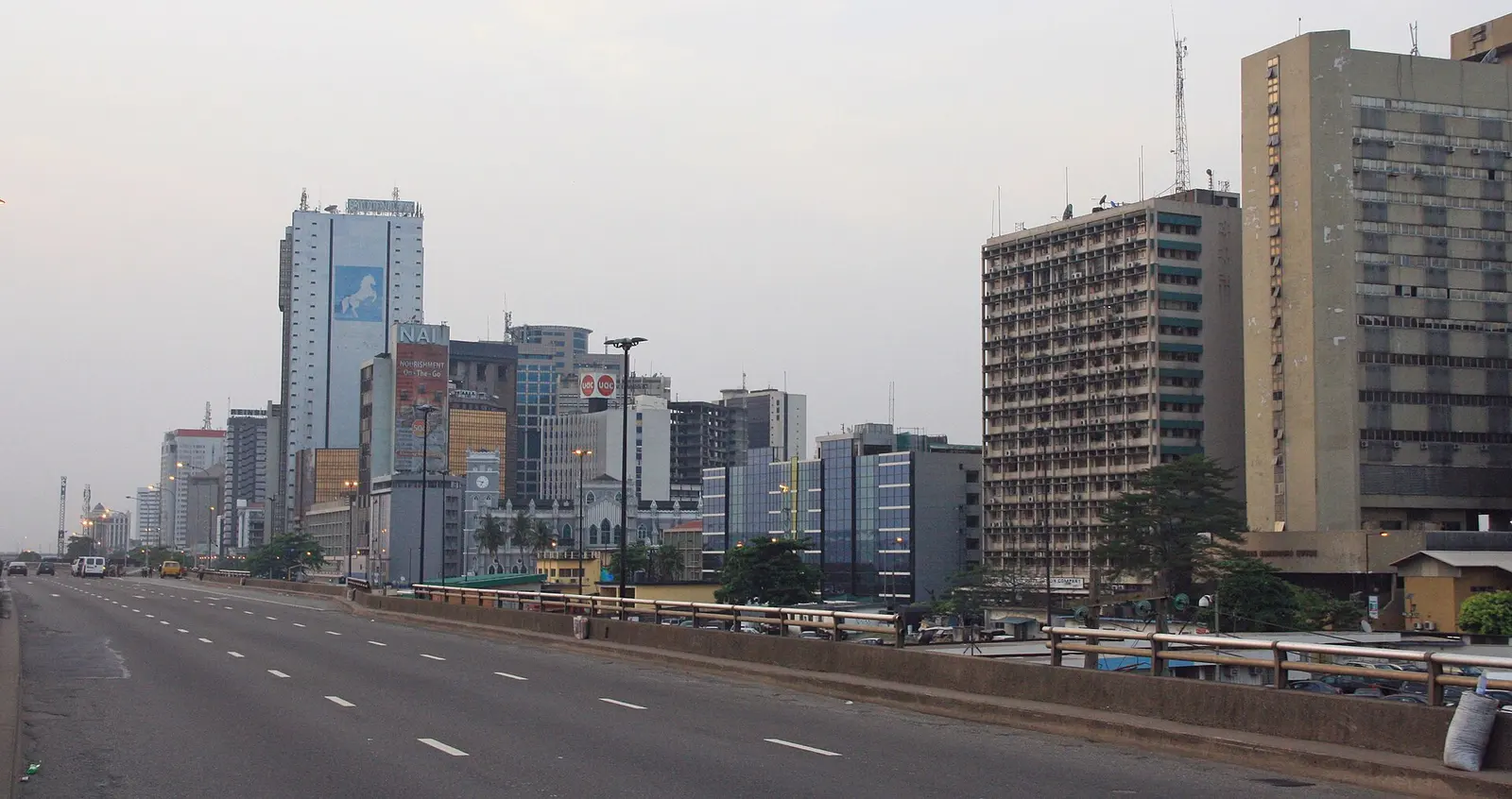

Ten companies accounted for about 73.32% of the Nigerian Exchange's ₦165.08 trillion equity market capitalisation as of 2 November 2026. Their combined value was ₦121.039 trillion. The other 146 listed equities shared roughly ₦47 trillion, or 26.68%. That concentration helps explain why a single 10% move in Dangote Cement on 5 November could erase about ₦2.5 trillion of headline market value in one session.
The top ten by market value
The Guardian, citing NGX data as of 2 November, ranks the leaders as follows:
| Company | Market cap | Share of NGX |
|---|---|---|
| Dangote Cement | ₦25.1trn | 15.2% |
| Airtel Africa | ₦23.7trn | 14.3% |
| MTN Nigeria | ₦17.8trn | 10.8% |
| BUA Foods | ₦13.7trn | 8.29% |
| BUA Cement | ₦10.1trn | 6.11% |
| Seplat Energy | ₦9.6trn | 5.81% |
| HBM Nigeria | ₦5.618trn | 3.42% |
| Aradel Holdings | ₦5.612trn | 3.41% |
| First HoldCo | ₦5.38trn | 3.26% |
| Zenith Bank | ₦4.76trn | 2.89% |
Together those ten names are ₦121.039 trillion of a ₦165.08 trillion market. GlobalView's 5 November brief repeats the same concentration reading. THEWILL's write-up of Thursday's sell-off notes that the finding landed just as Dangote Cement alone drove most of a ₦3.28 trillion market decline.
What concentration means on a down day
Market capitalisation is price times shares outstanding. When a stock that is 15% of the exchange falls 10%, the index and the headline "investors lose" number move hard even if most listed companies barely trade. On 5 November, Dangote Cement fell from ₦1,490 to ₦1,341. Nairametrics, MarketForces and THEWILL all put its mark-to-market loss near ₦2.5 trillion, about 76% to 77% of the market's ₦3.28 trillion drop, while the ASI fell 1.98% to 249,710.59.
That is not cash leaving brokerage accounts in a single wire. It is the exchange's valuation of one company changing. For passive investors in an ASI-linked product, though, the index really does move with those heavyweights. For stock-pickers who own none of the top ten, the personal day can look nothing like the headline.
Concentration also cuts the other way on up days. Strong sessions in Dangote Cement, the telecoms or the BUA complex can lift the ASI even when mid-caps are flat. Reading only the index without checking which names drove it is how investors misread their own risk.
Shareholder groups weigh in
Patrick Ajudua of the New Dimension Shareholders Association told The Guardian that value piled into a few stocks can limit how widely wealth creation spreads across the market. Moses Igbrude of the Independent Shareholders Association of Nigeria argued that other listed firms must improve earnings, returns and investor rewards if they want a larger share of capital. Both comments are advocacy, not market forecasts. They underline a structural point the data already show: depth below the top tier is thin relative to the headline market size.
The Guardian also notes recent earnings strength among some leaders, including Dangote Cement's reported ₦1.47 trillion nine-month pre-tax profit and MTN Nigeria's ₦1.80 trillion pre-tax profit. Those results help explain why capital has gravitated to the same names; they do not remove the index-concentration risk when prices reverse.
Where sources differ
- Snapshot date versus sell-off date. The 73.32% figure is as of 2 November, when market cap was about ₦165.08 trillion. By the close on 5 November, market cap was about ₦162.13 trillion after the sell-off. The ranking of the top ten can shift with every session; the structural point remains.
- Dangote Cement profit lines. The Guardian cites ₦1.47 trillion nine-month pre-tax profit. Other recent coverage has focused on different profit lines and energy costs. When comparing articles, check whether the figure is pre-tax or after-tax and which period it covers.
- Count of listed equities. The Guardian uses 156 listed companies, with 146 outside the top ten. Always confirm the exchange's current count if you need an exact denominator.
- No recommendation. Concentration is a risk description, not a signal to buy or avoid any of the ten names.
What this means for investors
- Check your effective bets. If your portfolio mirrors the ASI, you are heavily exposed to cement, telecoms, foods and a handful of energy and bank names whether you chose them one by one or not.
- Separate index news from stock news. A ₦3 trillion headline loss can be mostly one or two tickers. Ask which names moved before you change a plan.
- Mid-cap liquidity is a feature, not a footnote. The 146 smaller names share about a quarter of market value. That can mean wider spreads and slower exits when you need cash.
- Use concentration as a lens, not a scare headline. Nigeria's market has been top-heavy for years. The useful habit is to track how much of any daily move sits in the top ten.
This is for information only and is not investment advice.
FAQ
How concentrated is the NGX?
As of 2 November 2026, ten companies held about 73.32% of total equity market capitalisation (₦121.039 trillion of ₦165.08 trillion), according to The Guardian's NGX-based ranking.
Which company is the largest?
Dangote Cement, at about ₦25.1 trillion or 15.2% of the market on that snapshot.
Did concentration cause the 5 November crash?
Concentration did not invent selling, but it amplified the headline loss: Dangote Cement's 10% fall accounted for roughly three-quarters of the ₦3.28 trillion market-cap decline that day.
Sources
- The Guardian, "Concerns as 10 stocks dominate 73% of NGX's N165tr market cap" (5 Nov 2026)
- GlobalView, "Daily Business News Brief – November 5th, 2026"
- THEWILL, "Dangote Cement Accounts For 76% Of NGX's ₦3.28trn Market Loss" (6 Nov 2026)
- Nairametrics, "NGX plunges N3.28 trillion..." (5 Nov 2026)
- The Guardian, "Investors lose N3.28 trillion in one day"
This note is for education. It is not a recommendation to buy or sell any share.
Tags: NGX, Market Cap, Concentration, Dangote Cement, Blue Chips