Companies & Deals
Honeywell Flour H1: PBT Jumps 1,115% to ₦31.40bn
Lagos, 7 November 2026 · Gopexly Desk · Published 7 November 2026 at 15:00 · Updated 9 November 2026 at 11:08 · 5 min read
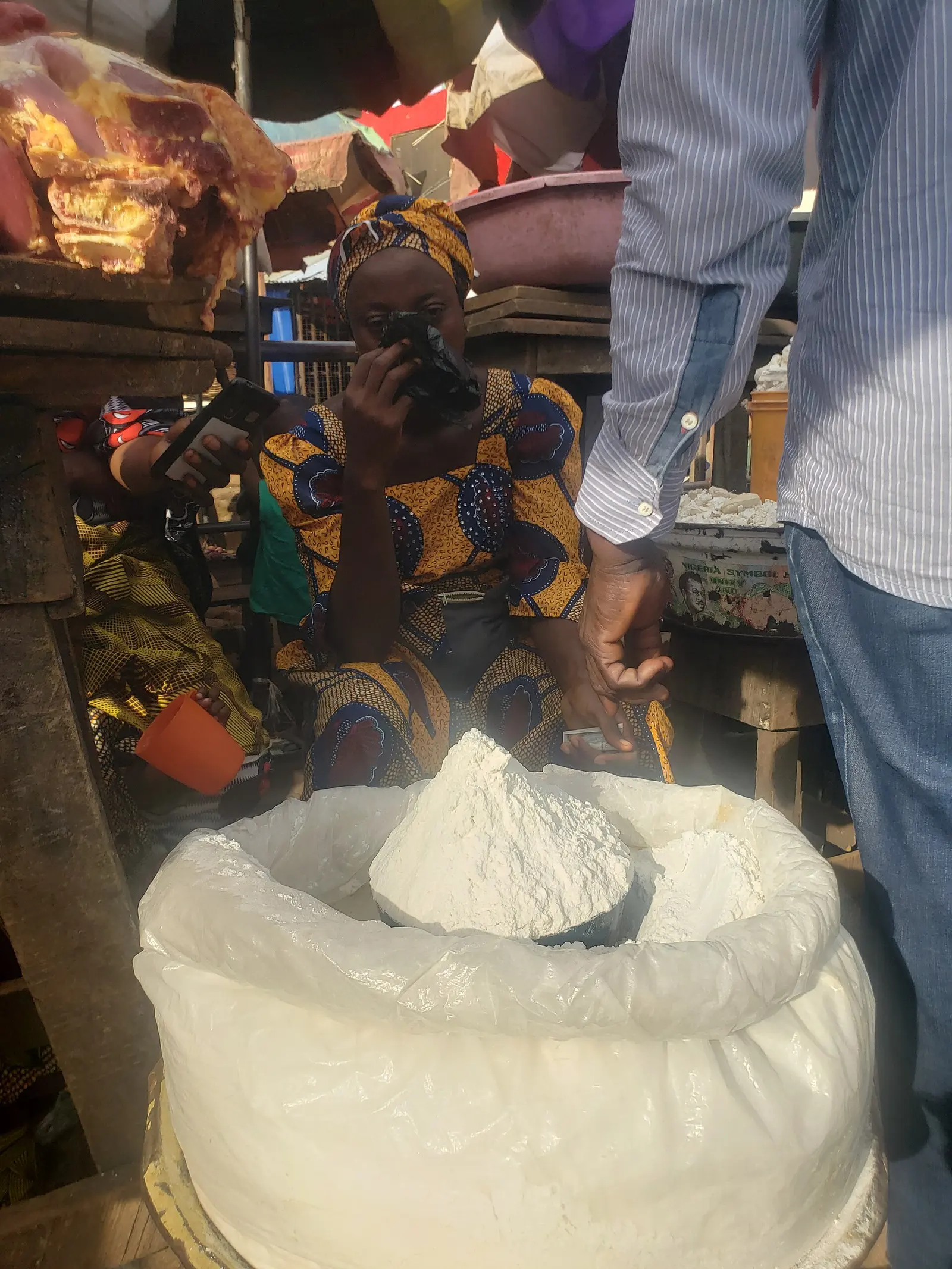

Honeywell Flour Mills Plc’s unaudited results for the six months ended 30 September 2026 show revenue of ₦233.79 billion (+41.29%) and profit before tax of ₦31.40 billion (+1,115.17% from ₦2.58 billion). Nairametrics, labelling the period H1-2027 because the company’s financial year ends in March, notes that half-year PBT already exceeds the ₦21.90 billion PBT reported for the full year to March 2026. Profit after tax rose to ₦22.61 billion from ₦1.62 billion; EPS to ₦2.85 from ₦0.20. This is a results explainer for Gopexly readers, not a buy or sell call on the stock.
Income statement: margins, not only FX
Filing figures via Nairametrics (NGX filing 30 October 2026):
- Gross profit: ₦33.66 billion (+184.62%); gross margin about 14.40% from 7.15%.
- Operating profit: ₦28.15 billion (+661.81%); operating margin 12.04% from 2.23%.
- Selling and administrative expenses: down about 18.5% to ₦7.37 billion.
- Net finance: income ₦3.25 billion, versus a ₦1.11 billion net expense a year earlier (finance income ₦5.81 billion; finance costs ₦3.37 billion).
- FX gains: ₦811 million, down from ₦2.22 billion—so currency gains were not the main driver of the jump.
- Pre-tax margin: about 13.4% from 1.6%.
Cost of sales grew about 30.29%, slower than the 41.29% revenue rise—the core operating story behind the margin rebuild.
Sagamu back in profit; Tin Can still the engine
- Sagamu: revenue ₦46.70 billion; operating profit ₦1.04 billion, versus an operating loss of ₦6.95 billion in the prior half.
- Tin Can: revenue ₦214.21 billion (+65.4%); operating profit ₦27.56 billion (from ₦10.64 billion).
Tin Can remains the earnings centre; Sagamu’s swing from deep operating loss to a modest profit is the turnaround subplot.
Balance sheet flags: leverage, capex, receivables
Nairametrics’ balance-sheet read is where cautious investors should linger:
- Total borrowings: ₦52.27 billion (+60.92% from ₦32.48 billion at March 2026).
- Short-term loans: ₦28.25 billion, from ₦5.46 billion.
- Capex: ₦21.47 billion, from ₦3.44 billion; construction in progress ₦53.56 billion.
- Short-term intercompany loan receivables: ₦89.74 billion, from ₦40.56 billion.
- Inventories: ₦43.85 billion (+39.38%).
- Total assets: ₦294.43 billion; equity: ₦74.95 billion; retained earnings: ₦45.14 billion.
- Dividend paid: ₦1.586 billion (20 kobo per share).
- Operating cash flow ₦16.12 billion (from ₦13.46 billion); net financing cash flow positive at ₦14.83 billion.
DecisionMakers’ commentary frames the same turnaround but argues that the ₦89 billion-class intercompany loan book will decide whether the profit “lasts.” Prefer the filing figure of ₦89.74 billion receivables; treat the commentary as one analytical lens, not a second set of accounts.
Nairametrics also notes that operating cash flow, while higher year on year, still trails the step-up in capital expenditure, so the company is funding growth partly through financing cash flows and short-term loans. That is not automatically “bad”—flour mills are capital intensive—but it is why the intercompany receivable and short-term debt lines deserve as much attention as the 1,115% PBT headline. Anyone comparing Honeywell to other consumer names should normalise for FY-end (March) and for the Sagamu turnaround’s base effect after last year’s operating losses.
Share price context (not advice)
Shares closed at ₦22.55 on 30 October (+25.28% in October), per Nairametrics’ results piece. On Friday 6 November, Honeywell was among the session’s top gainers, +9.87% to ₦29.50 (from ₦26.85), per the NGX market wrap—about +30.8% from the 30 October ₦22.55 print to Friday’s close if you chain those two reference points. Price moves after results can reverse; nothing here is a recommendation to buy or sell HONEYFLOUR.
Where sources differ
- Labelling. Nairametrics calls the period H1-2027 (FY ends March). Other writers may say H1 2026/27. Same six months to 30 September 2026.
- Rounding. DecisionMakers rounds revenue to ₦233.7 billion and PAT to ₦22.6 billion; Nairametrics’ filing table uses ₦233.79 billion and ₦22.61 billion. Use the filing detail for precision.
- Narrative stress. Nairametrics leads on margin recovery and segment swings, then flags borrowings and receivables. DecisionMakers leads on whether the ₦89 billion intercompany loan will unwind cleanly. Both can be true: strong P&L, open balance-sheet questions.
What this means for investors
- Separate operating recovery from balance-sheet risk. Higher gross and operating margins, lower S&A and a Sagamu profit swing are real P&L improvements in the filing. Rising short-term debt, heavy capex and ₦89.74 billion of intercompany receivables are separate questions about cash conversion and group funding.
- Cash flow versus capex. Operating cash flow of ₦16.12 billion against ₦21.47 billion of capex means the investment programme still needs financing—visible in the jump in short-term loans.
- FX is not the story this time. FX gains fell while PBT soared; do not credit the turnaround mainly to the naira.
- No recommendation. Listing Friday’s +9.87% is market context after the filing, not a tip.
This is for information only and is not investment advice.
FAQ
How much did Honeywell Flour earn in H1 to 30 September 2026?
Unaudited figures via Nairametrics: revenue ₦233.79 billion, PBT ₦31.40 billion, PAT ₦22.61 billion, EPS ₦2.85.
Is the profit above last full year?
Yes. Half-year PBT of ₦31.40 billion already exceeds the ₦21.90 billion PBT for the year ended March 2026, per Nairametrics.
What are the main risks in the filing?
Higher borrowings (especially short-term loans), elevated capital expenditure and construction in progress, and short-term intercompany loan receivables of ₦89.74 billion—points Nairametrics flags and DecisionMakers emphasises.
Sources
This note is for education. It is not a recommendation to buy or sell any share.
Tags: Honeywell Flour Mills, Earnings, Consumer Goods, NGX, Flour Milling