Economy
FG Targets Single-Digit Inflation by End-2027
Lagos, 7 November 2026 · Gopexly Desk · Published 7 November 2026 at 17:00 · Updated 9 November 2026 at 11:08 · 5 min read
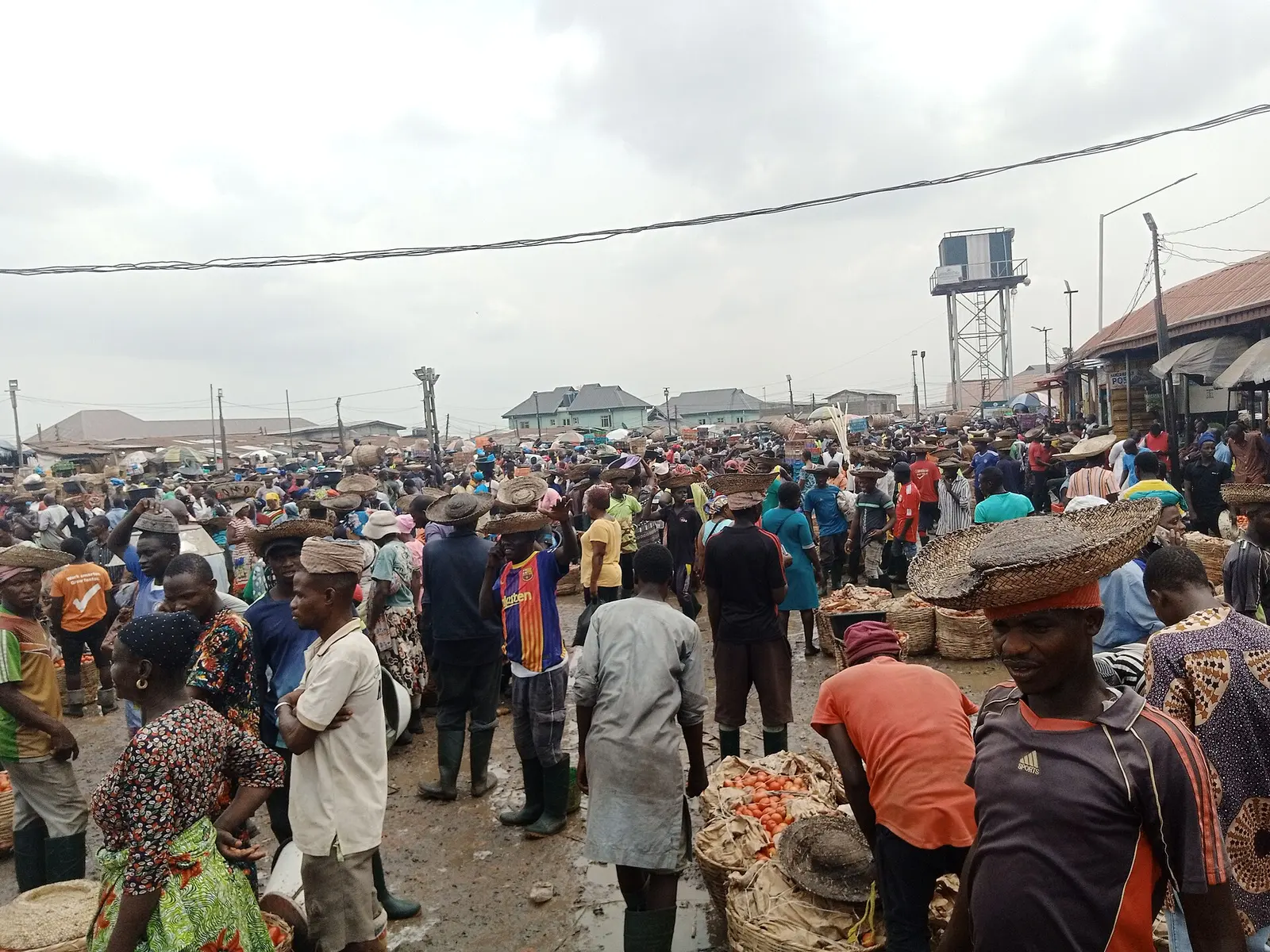

Finance minister Taiwo Oyedele presented a three-phase plan to the Federal Executive Council on 28 October 2026 aiming for single-digit headline inflation by the end of 2027 and a 3–5% band from 2028 under inflation-targeting plus a legislated fiscal rule. BusinessDay’s 3 November report says economists call the destination reasonable but warn that election spending, energy shocks, insecurity and weak implementation will decide whether the chart becomes reality. Headline inflation was 14.63% in September 2026 (from 20.98% in September 2025); food inflation 19.59%; core +1.11% month-on-month and 12.95% year-on-year.
The three phases
As summarised by BusinessDay from the document seen by the paper:
- Phase 1 (November 2026–April 2027): tackle smuggling, illegal levies, food storage and security along agricultural corridors; targeted rice imports with a ₦55,000 per bag ceiling; aim for monthly core inflation below 1%.
- Phase 2 (May–December 2027): dry-season financing, yields, irrigation, rural roads and housing supply; headline inflation below 10% by December 2027.
- From 2028: inflation-targeting framework backed by a legislated fiscal rule to hold inflation between 3% and 5%.
Oyedele’s presentation estimated that food supply constraints account for about six to seven percentage points of headline inflation. Nigeria’s rice deficit is put at two to three million tonnes, worsened by smuggling, wrong declaration, multiple levies and illegal checkpoints. He warned that tariff or quota changes will not cut consumer prices if importers and distributors capture the gains, and he flagged commercial lending rates still above 30% despite monetary-policy easing. He urged FEC members to avoid deficit monetisation and unfunded commitments ahead of the 2027 elections.
What experts told BusinessDay
Muda Yusuf (CPPE) called the target potentially achievable if domestic and external risks are managed. He cited Middle East-linked energy shocks, election-related liquidity, and the danger of easing money too fast relative to productive capacity. On food, he pointed to insecurity, climate, input costs and logistics. He stressed a point households feel daily: disinflation is not the same as falling prices—the level of food, fuel, transport, school and rent costs can stay painful even as the inflation rate slows.
Vahyala Kwaga (BudgIT) said single-digit (and later mid-single-digit) targets are a normal policy ambition, but “the announcement of a policy does not equal the implementation or success of that policy.” He questioned heavy reliance on rice imports when legumes, tubers and other staples also drive the food basket; asked whether past Bank of Agriculture-style interventions were evaluated; said the impact of CNG haulage on nationwide transport costs remains unclear without baseline studies; and called for clearer fiscal rules and sanctions, not statements alone, before the 2027 vote.
Samuel Nzekwe (former ANAN president) boiled the problem down to production: inflation rises when demand outruns supply. He urged agricultural value chains, farmer security and financing, and warned that inflated project costs and leakages can undo public spending.
Adesoji Adesugba (former NEPZA MD/CEO) put power first among cost drivers and questioned the efficiency of moving livestock and perishables to Lagos by road when rail and logistics reform lag.
The plan also endorses the National Economic Council’s five-priority programme on food affordability, energy stability, budget harmonisation, infrastructure completion, policy coordination and household support—meaning the inflation path is meant to sit inside a wider coordination agenda, not as a standalone CBN target.
Where sources differ
- This piece rests on one primary reported plan (BusinessDay’s account of the FEC presentation). Other outlets may stress different phase details or omit expert quotes; where they diverge on numbers, prefer the document figures BusinessDay attributes to the presentation (14.63% headline, 19.59% food, ₦55,000 rice ceiling, 2–3 million tonne rice gap, 6–7 ppt food contribution).
- Experts disagree on emphasis, not on direction. Yusuf stresses risk management and living-cost levels; Kwaga stresses implementation, basket composition and CNG evidence; Nzekwe stresses production; Adesugba stresses power and transport. None rejects lower inflation; all reject treating a target as a result.
- Rice policy is contested. The plan uses targeted imports and a price ceiling; Kwaga argues rice is only one basket item. Both statements can be true: rice matters, and it is not the whole food index.
What this means for you
- Watch food supply and logistics, not only the MPR. If six to seven points of headline inflation are food-supply constraints, rural security, storage and road levies matter as much as the policy rate path.
- Election liquidity is a stated risk. Oyedele’s own warning on deficit monetisation and Yusuf’s election-spending caution are the political-economy test for 2027.
- Single-digit inflation ≠ cheaper market stalls overnight. Disinflation slows the rise in prices; it does not automatically reverse the jump in living costs already baked into 2024–26.
- Implementation metrics will matter more than slides. Kwaga’s challenge—show CNG, dry-season and levy-removal results with baselines—is the practical scoreboard for households.
This is for information only and is not investment advice.
FAQ
What inflation rate is the FG targeting?
Single-digit headline inflation by the end of 2027, then a 3–5% range from 2028 with inflation-targeting and a legislated fiscal rule, per Oyedele’s FEC presentation as reported by BusinessDay.
What is inflation now (latest cited print)?
Headline 14.63% in September 2026 (from 20.98% in September 2025); food 19.59%; core +1.11% month-on-month and 12.95% year-on-year.
Why might the target miss?
BusinessDay’s expert panel cites election spending and liquidity, energy price shocks, insecurity and logistics, weak implementation of food and CNG measures, and commercial lending rates still above 30%.
Sources
This note is for education. It is not a recommendation to buy or sell any share.
Tags: Inflation, Fiscal Policy, Food Prices, FEC, Economy