Economy
DMO: Debt Service Could Take 71.7% of FG Revenue by 2030
Lagos, 10 November 2026 · Gopexly Desk · Published 10 November 2026 at 06:30 · Updated 10 November 2026 at 08:42 · 5 min read
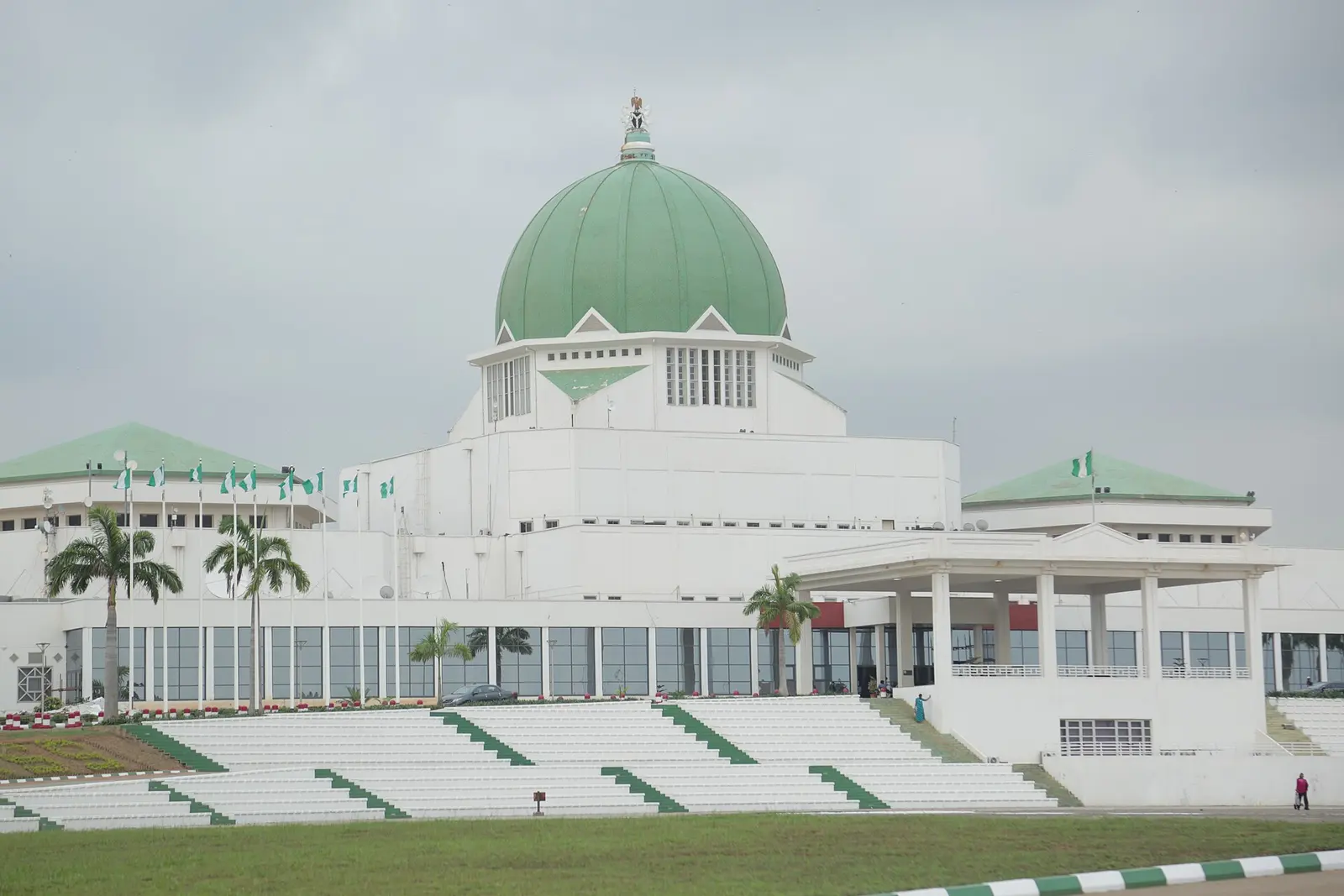

Nigeria's Debt Management Office (DMO) projects that servicing debt will swallow 71.7% of Federal Government revenue by 2030, well above the 50% limit it recommends. The forecast is in the DMO's 2024 Debt Sustainability Analysis (DSA), released on Monday, 9 November 2026. In a weaker-economy scenario, the share rises to about 97% by 2030, which would leave almost nothing for other spending. At the same time, the DMO expects debt to shrink sharply relative to the size of the economy, so the problem is revenue, not the size of the debt pile.
The projections
Under its baseline scenario, the DMO sees the debt service-to-revenue ratio falling before climbing again:
| Year | Baseline | Shock scenario |
|---|---|---|
| 2024 (actual) | 60.6% | |
| 2025 | 44.9% | 44.9% |
| 2026 | 51.0% | 57.4% |
| 2027 | 57.1% | 70.9% |
| 2028 | 57.4% | 75.3% |
| 2029 | 67.3% | 89.6% |
| 2030 | 71.7% | 97.3% |
Figures as reported by TheCable, Punch, Nairametrics and The Guardian from the DSA report.
The DMO's explanation is short: debt service is growing faster than government revenue. "This ratio is high and the fiscal space available to the Government is limited," the report says.
Debt is falling against GDP, so why the worry?
The same report projects public debt-to-GDP falling from 53.7% in 2024 to 36.9% in 2025, 33.3% in 2026 and 27.3% by 2030. In the shock case it ends at 34.6%. All of these are below Nigeria's own 60% ceiling under its 2024–2027 medium-term debt strategy, and below the 70% benchmark the IMF and World Bank use for countries like Nigeria.
The two ratios measure different things. Debt-to-GDP compares what the country owes with the size of the whole economy. Debt service-to-revenue compares what the government must pay each year with what it actually collects. Nigeria's tax take is small relative to its economy, so a country can look moderately indebted on the first measure while struggling on the second.
What the scenarios assume
The baseline assumes an exchange rate of ₦1,500 to the dollar, real GDP growth of 4.8% and a primary balance of 3.8%. The naira closed at ₦1,349.34 at the official window on 9 November, stronger than that assumption.
The shock scenario assumes a 30% naira depreciation, a fall in real GDP and lower revenue. Under it, the DMO says, "fiscal space is further reduced and the ratio needs to be brought down."
Three warning lights
The DMO flagged three indicators above its own thresholds:
- Eurobond spread. Nigeria's average spread was 975.58 basis points between 2 October and 31 December 2024, against a 600-basis-point threshold. That means higher costs when Nigeria borrows abroad.
- Short-term debt. The yearly change in the share of short-term debt was 1.8%, above a 1% limit. The DMO links this to heavier Treasury bill issuance, which raises refinancing risk.
- Foreign holders. Non-residents held 49% of public debt, above a 45% threshold, which increases exposure to exchange-rate moves.
Total public debt stood at ₦133.33 trillion at the end of 2024, according to TheCable's reading of the report, with about 69% market-based.
What the DMO recommends
The DMO wants government to keep petrol subsidy removal and a unified, flexible exchange rate in place, saying both have helped revenue. It also calls for tax reforms that widen the base, more efficient spending, fewer new loans through public-private partnerships, sticking to the legal limits on CBN ways and means advances, sale of some government assets, and more concessional (cheaper) borrowing.
Its overall verdict: public debt sustainability is "moderate, but highly vulnerable to weak revenue mobilisation, exchange rate devaluation and global uncertainties."
Context from 2026
Recent figures show why revenue matters. Nairametrics reported that Nigeria spent $1.82 billion on external debt service and ₦5.28 trillion on domestic debt service in the first half of 2026. The Guardian notes that interest payments exceeded revenue by ₦1.5 trillion in the first half despite a 72% rise in collections; the Finance Ministry argues the interest figure includes debts the Federal Government services for states. Gopexly covered that exchange in its piece on the World Bank's interest-to-revenue warning.
Where sources differ
- The 2030 numbers. Press reports give 71.7% (baseline) and 97.3% (shock) for 2030. The report text quoted by TheCable says 97.7% for the shock case, and the DMO's own 2024 DSA document online also contains a sentence giving 72.6% for the baseline. The tables and the narrative appear not to match exactly; we use the widely reported 71.7% and 97.3%.
- Shock assumptions. Punch, Nairametrics and The Guardian describe a 2% fall in real GDP and a 2.5% cut in revenue. TheCable describes "a decline in real GDP growth" and a 2.3% fall in revenue.
What this means for investors
- Bond and T-bill investors: a government that needs to roll over a lot of short-term debt tends to keep issuing Treasury bills, which supports yields.
- Stock investors: high government borrowing costs keep fixed-income yields competitive with dividends and limit room for infrastructure spending.
- Everyone: the DMO's plan leans on more tax revenue. That points to continued pressure for tax compliance on businesses and individuals.
- Watch next: the 2027 budget and borrowing plan, Treasury bill and bond auction sizes, and whether revenue keeps growing faster than interest costs.
This is for information only and is not investment advice.
FAQ
What is Nigeria's debt service-to-revenue ratio?
It is the share of Federal Government revenue spent on interest and principal repayments. The DMO puts it at 60.6% in 2024 and projects 44.9% for 2025 and 71.7% by 2030 under its baseline.
Is Nigeria's debt too high?
On debt-to-GDP, no: the DMO projects it falling to 27.3% by 2030, below Nigeria's 60% limit. The concern is that revenue is too low to service the debt comfortably.
What did the DMO recommend?
Keeping the petrol subsidy removal and flexible exchange rate, tax reforms, more efficient spending, less new borrowing, asset sales and cheaper concessional loans.
Sources
- TheCable, "DMO: Nigeria's debt service-to-revenue ratio may hit 71.7% by 2030" (9 Nov 2026)
- Punch, "Debt servicing may take 72% of FG revenue by 2030 – DMO" (9 Nov 2026)
- Nairametrics, "Nigeria's debt service-to-revenue ratio to hit 71.7% by 2030 – DMO" (9 Nov 2026)
- The Guardian, "DMO warns debt costs could gulp 72 per cent of govt revenue" (Nov 2026)
- DMO, 2024 Debt Sustainability Analysis report
This note is for education. It is not a recommendation to buy or sell any share.
Tags: DMO, Public Debt, Fiscal Policy, Federal Government, Bonds, Treasury Bills