Companies & Deals
Dangote Cement, BUA Spend ₦797bn on Energy in Nine Months
Lagos, 5 November 2026 · Gopexly Desk · Published 5 November 2026 at 15:00 · Updated 9 November 2026 at 11:08 · 5 min read
 DANGCEM
 BUACEMENT
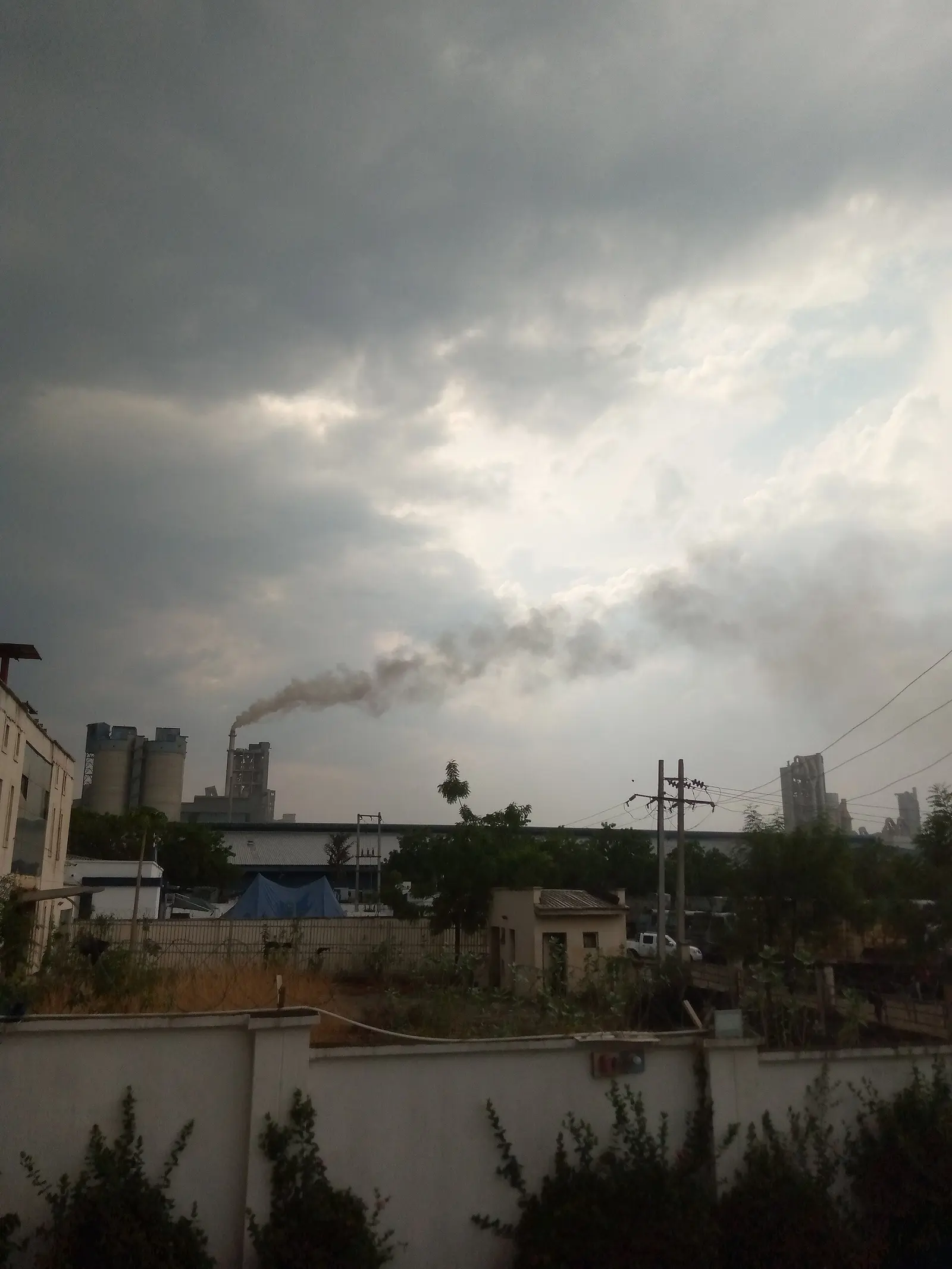

Dangote Cement Plc and BUA Cement Plc spent a combined ₦797.1 billion on fuel and power in the first nine months of 2026, 6.7% more than a year earlier, according to a Nairametrics analysis of their unaudited results. Because cement sales grew faster, energy fell to 16.4% of the two companies' revenue from 18.6%. The picture differs by company: Dangote Cement held its group energy bill almost flat, while BUA's rose 21.5% and jumped 59.8% in the third quarter alone.
The numbers
| Company | 9M 2026 energy cost | 9M 2025 | Change | Share of revenue |
|---|---|---|---|---|
| Dangote Cement (group) | ₦580.5bn | ₦569.0bn | +2.0% | 15.4% (18.0%) |
| BUA Cement | ₦216.6bn | ₦178.2bn | +21.5% | 19.9% (20.8%) |
| Combined | ₦797.1bn | ₦747.2bn | +6.7% | 16.4% (18.6%) |
Prior-year share of revenue in brackets. Sources: Nairametrics (4 Nov 2026), Dangote Cement 9M 2026 results statement, Billionaires.Africa (5 Nov 2026).
Combined revenue was ₦4.86 trillion. Dangote Cement's revenue rose 19.6% to ₦3.77 trillion and BUA's rose 26.5% to ₦1.09 trillion.
Dangote Cement: flat bill, more cement
Dangote Cement's results statement shows "fuel & power consumed" of ₦580.49 billion, against ₦568.97 billion a year earlier. Group volumes rose 9.4% to 22.1 million tonnes. The company said its energy mix, alternative fuels and gas-powered (CNG) trucks were "delivering real cash savings". It reported alternative fuel use of 30% in Zambia and 500 CNG trucks commissioned in Tanzania.
The group figure includes operations in nine other African countries. In Nigeria alone, the parent company's fuel and power bill rose 15.1% to ₦313.9 billion, while Nigerian volumes rose 6.4% to 14.1 million tonnes. On our reading, that means the group's energy savings came from outside Nigeria.
BUA Cement: a harder third quarter
Over nine months, BUA's energy bill fell slightly as a share of revenue. The third quarter was different. Energy costs rose 59.8% to ₦81.3 billion, and energy took 22.7% of quarterly revenue, up from 18.3%.
BUA's managing director, Yusuf Binji, said in the company's results note that energy costs "were elevated during the quarter due to supply constraints but have since normalised". Nairametrics noted that BUA's materials cost fell 68% in the same quarter, which may point to costs being moved between lines; the company has not explained it.
BUA still lifted nine-month profit after tax by 59.8% to ₦463.1 billion, according to its results note.
Why cement makers spend so much on energy
Cement kilns burn gas, coal, fuel oil or waste-derived fuel to heat raw materials into clinker. Crushers, mills and packing plants also need electricity, which Nigeria's big producers mostly generate in their own plants because grid supply is unreliable.
Nairametrics estimates Dangote Cement has at least 345MW of captive capacity at its four Nigerian plants, including 135MW at Obajana in Kogi State, and puts BUA at an estimated 240MW to 280MW. That is about 13% to 14% of the grid's average available capacity of 4,457.96MW in the first quarter of 2026, by its calculation.
To put the bill in context, Nairametrics compared the two companies' first-half energy spend of ₦519.8 billion with the ₦1.20 trillion collected by all 11 electricity distribution companies in the same period: 43%.
The Nigerian Electricity Regulatory Commission granted BUA a 12MW captive power permit for its Sokoto plant in the first half, the largest single permit in that period. The national grid collapsed on 23 January, partly on 27 January and again on 19 October, Billionaires.Africa reported. The Manufacturers Association of Nigeria says members spent ₦1.34 trillion on alternative power in 2025.
Where sources differ
- Dangote Cement profit. Billionaires.Africa gives nine-month profit of ₦974.8 billion, the group net profit in the company's results statement. Our 28 October review of the full interim accounts found profit attributable to shareholders of ₦977.85 billion, because minority partners shared a loss.
- Dollar figures. Billionaires.Africa converts at ₦1,365 to the dollar (₦797.1 billion = $584 million). The official NFEM rate was about ₦1,348 on 4 November, which would give a slightly higher dollar figure.
- BUA's Q3 jump. BUA says supply constraints raised energy costs. Nairametrics suggests part of the rise may be a reclassification from materials. Neither view has been confirmed by a detailed company note.
- Lafarge (HBM Nigeria). HBM does not report energy separately. Its production variable costs, which bundle fuel, power and raw materials, were ₦226.3 billion, up 4.2%, so it is left out of the ₦797.1 billion total.
What this means for investors
- Energy is the swing cost. At 15% to 20% of revenue, a change in gas supply or prices can move cement margins quickly, as BUA's third quarter showed.
- Pricing has done the work. Energy fell as a share of revenue because cement prices rose faster than fuel costs, Nairametrics said. If prices stop rising, that cushion shrinks.
- Watch the fourth quarter. BUA says its energy costs have "normalised"; the full-year accounts will show whether that held. Dangote's Nigerian bill rose faster than its Nigerian volumes. Our report on bank lending to manufacturers covers another pressure on industry.
This is for information only and is not investment advice.
FAQ
How much did Dangote Cement spend on energy in 2026?
Dangote Cement's group fuel and power costs were ₦580.5 billion in the nine months to September 2026, up 2.0%. In Nigeria alone the figure was ₦313.9 billion, up 15.1%.
Why did BUA Cement's energy costs rise in Q3 2026?
BUA said energy costs were elevated by supply constraints during the quarter and have since normalised. Q3 energy costs rose 59.8% to ₦81.3 billion.
Do Nigerian cement companies use the national grid?
Mostly not. Dangote Cement and BUA generate most of their electricity in their own plants, with an estimated 585MW to 625MW of combined capacity in Nigeria.
Sources
- Nairametrics, "Dangote Cement, BUA spend N797 billion in energy cost" (4 Nov 2026)
- Billionaires.Africa, "Nigerian billionaires Dangote and Rabiu's cement firms spend $584 million on energy" (5 Nov 2026)
- Dangote Cement Plc, Interim results for nine months ended 30 September 2026
- BUA Cement Plc, Analyst note: unaudited results for the nine months ended September 2026
- Nairametrics, "Naira slips to N1,348/$, as FX turnover drops below $101 million" (5 Nov 2026)
This note is for education. It is not a recommendation to buy or sell any share.
Tags: Cement, Energy, Dangote Cement, BUA Cement, Power