Banking
Banks Park ₦8.31trn at CBN Despite ₦724bn OMO Sale
Lagos, 9 November 2026 · Gopexly Desk · Published 9 November 2026 at 13:00 · 5 min read
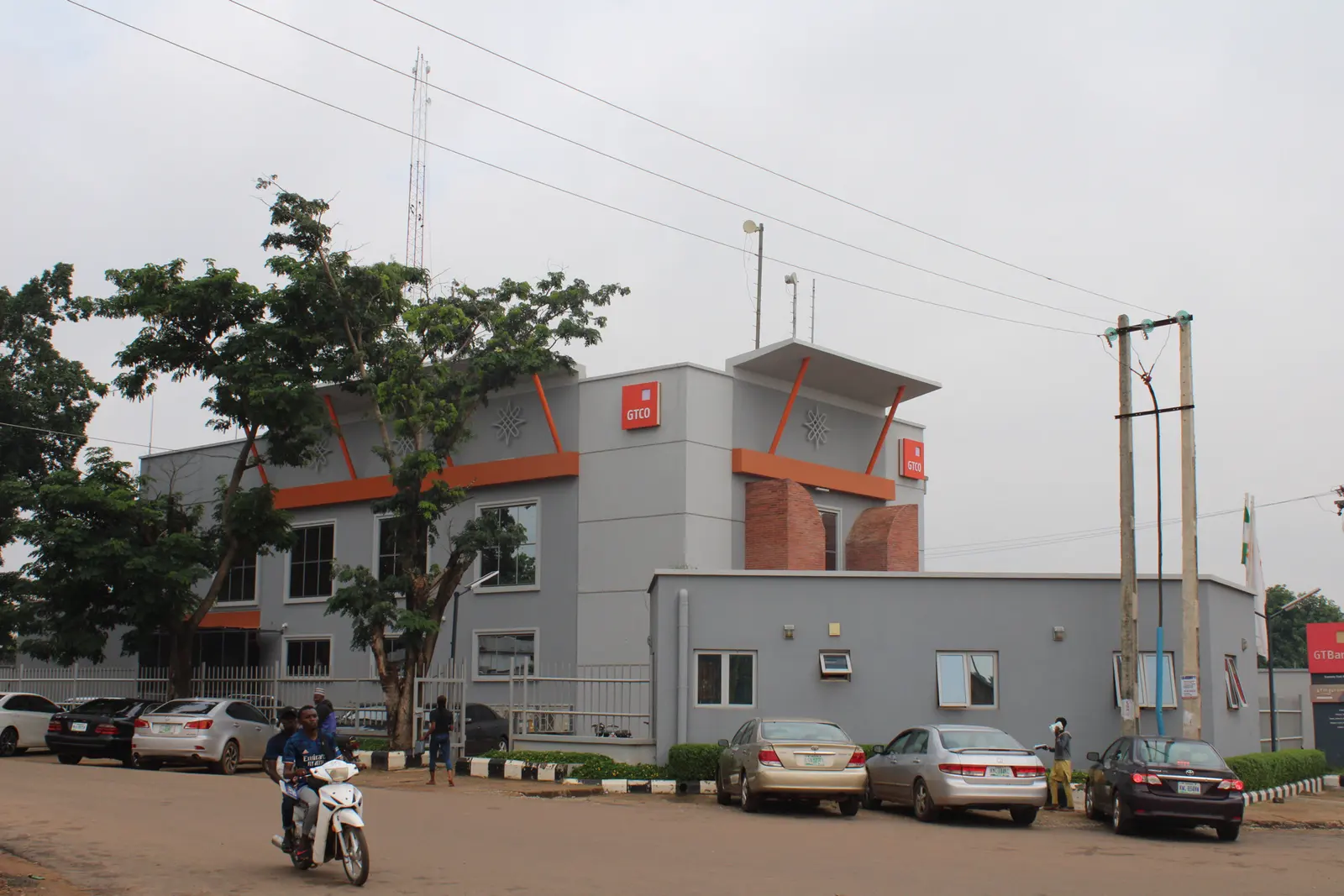

Nigerian banks placed ₦8.311 trillion at the Central Bank of Nigeria's Standing Deposit Facility (SDF) on Friday, 6 November 2026, up ₦347.44 billion in a day, even though the CBN drained ₦724.32 billion through an Open Market Operations (OMO) auction the same day. The CBN's data, analysed by Nairametrics and Punch, show that cash in the banking system is still building up faster than the regulator is mopping it up. That matters for anyone watching Treasury bill rates, fixed deposit offers and the November Monetary Policy Committee (MPC) meeting.
The week in numbers
SDF balances (banks' overnight deposits at the CBN):
| Date | SDF balance | Banks' opening balance |
|---|---|---|
| Wed 4 Nov | ₦6.966 trillion | ₦612.06 billion |
| Thu 5 Nov | ₦7.964 trillion | ₦258.83 billion |
| Fri 6 Nov | ₦8.311 trillion | ₦194.10 billion |
SDF placements rose ₦1.345 trillion (19.30%) between 4 and 6 November. Over the same days, banks' opening balances fell ₦417.96 billion (68.29%). In plain words, banks moved cash out of their operating accounts and into the CBN facility, where it earns interest without being lent out.
Nairametrics also notes that ₦572.55 billion of Treasury bill repayments on 5 November exceeded the ₦509.40 billion of new bills sold on 4 November. That was a net injection of ₦63.15 billion.
Friday's OMO auction
| Item | 179-day bill | 270-day bill |
|---|---|---|
| Matures | 4 May 2027 | 3 August 2027 |
| Bids | ₦741.62 billion | ₦1.146 trillion |
| Allotted | ₦405.62 billion | ₦318.70 billion |
| Share of bids accepted | 54.70% | 27.82% |
| Stop rate | 17.25% | 16.54% |
| True yield | 18.8441% | 18.8458% |
In total the CBN offered ₦1 trillion, received ₦1.887 trillion of bids (1.89 times the offer) and sold ₦724.32 billion. That was 38.37% of bids, leaving ₦1.163 trillion unallotted. There were no OMO maturities to roll over, so this was a fresh mop-up rather than a refinancing.
Friday's sale was about a quarter of the roughly ₦2.95 trillion the CBN sold at its 3 November OMO auction.
Why the build-up continues
Three things keep pushing cash into the system:
- November inflows. The Financial Markets Dealers Association (FMDA) projects about ₦13.79 trillion of inflows this month, mainly from OMO maturities, FAAC allocations and Treasury bill repayments.
- October's starting point. System liquidity rose 56.75% to ₦7.373 trillion in October from ₦4.703 trillion in September, according to the same FMDA report.
- Selective allotment. By accepting fewer than four in ten naira bid on Friday, the CBN left a lot of cash in the system, which then flowed back to the SDF.
Nairametrics expects more OMO auctions from Monday, 9 November. Punch says the trend "could prompt further liquidity withdrawal operations".
Why the CBN may be choosy
The two bills cleared at almost identical true yields of about 18.84%, even though the 179-day stop rate was 71 basis points higher than the 270-day rate. The 270-day bill drew more bids but had the larger unallotted amount (₦826.90 billion). Nairametrics reads that as the CBN being more selective on the longer tenor.
There is a tension here. The Monetary Policy Rate (MPR) is 23% after a 350-basis-point cut on 22 September, and headline inflation was 14.63% in September. Mopping up hard at near-19% yields is expensive for the CBN and keeps market rates well above what a falling policy rate might suggest. Not mopping up leaves trillions of naira that could add pressure on the naira and on prices.
Where sources differ
- Framing. Punch headlines the story as the CBN's mop-up "failing" to halt the build-up. Nairametrics stresses that the CBN chose to allot well below demand.
- Stop rate vs true yield. Some reports quote only the stop rates (17.25% and 16.54%). Nairametrics also gives the true yields (about 18.84%), which allow a fair comparison across tenors. When comparing with a bank deposit rate, the true yield is the better guide.
- Comparison point. Nairametrics compares the 6 November SDF figure with ₦7.72 trillion it reported on 3 November, which implies about ₦591 billion more in three days. Punch measures from 4 November (₦1.345 trillion). Both are correct over different windows.
What this means for you
- Savers: strong demand for OMO and Treasury bills shows that short-term government paper still pays well. Retail access to OMO bills is limited, but Treasury bills and money market funds move in the same rate environment.
- Borrowers: a lot of bank cash is going to the CBN rather than into loans, a point Punch raises. If that continues, it is a reason to be cautious about expecting quick falls in lending rates.
- Stock investors: high fixed-income yields compete with dividend stocks for money, especially with surplus Dangote IPO refunds expected later in November. That is a background factor, not a market call.
- Watch next: this week's OMO auctions, how much the CBN accepts, and the November MPC decision.
This is for information only and is not investment advice.
FAQ
What is the CBN Standing Deposit Facility?
It is a window where banks place surplus cash with the CBN overnight and earn interest. Rising SDF balances mean banks are holding more idle cash with the regulator rather than lending it or using it in the interbank market.
How much did the CBN raise at the 6 November OMO auction?
₦724.32 billion, from ₦1.887 trillion of bids on a ₦1 trillion offer. The 179-day bill cleared at a 17.25% stop rate and the 270-day at 16.54%, both about 18.84% true yield.
Why does excess liquidity matter for the naira?
More naira in the banking system can increase demand for dollars and add to price pressure. That is why the CBN uses OMO auctions to absorb surplus cash.
Sources
- Nairametrics, "Banks park N8.31 trillion at CBN despite N724 billion OMO mop-up" (7 Nov 2026)
- Punch, "CBN's mop-up fails to halt banks' N8.31tn liquidity build-up" (9 Nov 2026)
- Nairametrics, "Bigger reserves, weaker naira, CBN research points to Nigeria's deficit problem" (7 Nov 2026), MPR and inflation context
- CBN, Government Securities: OMO
This note is for education. It is not a recommendation to buy or sell any share.
Tags: CBN, Liquidity, OMO, Fixed Income, Banks