LatestEconomy
IMF Backs CBN Rate Cut but Says Policy Is Still Tight
Lagos, 17 October 2026 · Gopexly Desk · Published 17 October 2026 at 17:00 · 5 min read
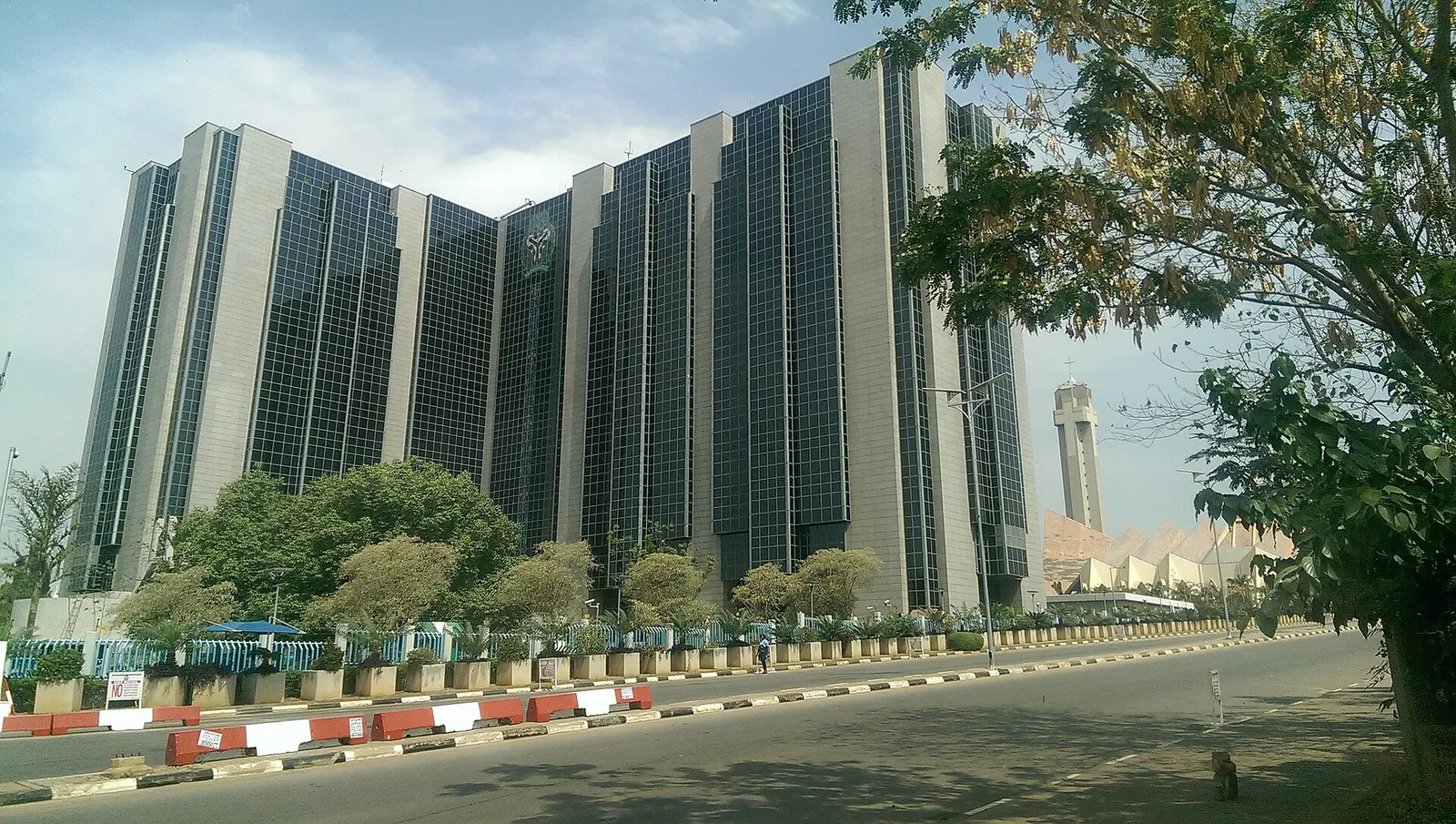

The International Monetary Fund (IMF) has said the Central Bank of Nigeria's (CBN) decision to cut its benchmark interest rate by 350 basis points to 23% in September was appropriate, but warned that it does not mean money has become cheap: the overall policy stance is still tight. The comments came from Zeine Zeidane, director of the IMF's African Department, at the IMF and World Bank Annual Meetings in Bangkok, Thailand, this week. CBN Governor Olayemi Cardoso used the same meetings to explain why the bank moved and to share new figures on diaspora remittances. Here is what was said and what it means for borrowers, savers and investors.
What the IMF said
Speaking at the launch of the Fund's October 2026 Regional Economic Outlook update for sub-Saharan Africa, Zeidane said Nigeria had made real progress in bringing down inflation from high levels while keeping interest rates high. Lowering the real interest rate, he said, was the right step, and he stressed it was "not easing yet".
The IMF also said:
- Nigeria is benefiting from higher oil prices, which have lifted foreign exchange receipts, reserves and liquidity.
- Its growth forecast for Nigeria is 4.2% for 2026 and 4.3% for 2027, with services the main driver.
- The government should raise more non-oil revenue to fund health, education and infrastructure.
- Savings from subsidy reform should go to poor households through targeted support, because broad subsidies mostly benefit the better-off.
A warning for the region
The wider report was more cautious. The IMF expects median inflation in sub-Saharan Africa to rise from 3.4% in 2025 to 4.3% in 2026 and 5% in 2027, driven by fuel, transport and fertiliser costs. It said many countries may need to tighten policy to stop temporary price rises becoming permanent. That firmer tone matters for Nigeria: further cuts are not automatic and will depend on inflation data.
Cardoso's explanation
At separate panels, Cardoso said three things gave the CBN room to cut:
- External reserves were at their highest level in 18 years.
- Inflation was falling steadily, even as it rose in other parts of the world.
- Growth was holding up at a reasonable pace.
He said the bigger reason was a broken link between the policy rate and what banks actually charged. "There was a gap," he said, and the cut was meant to close it. He described it as something the bank "could have done earlier".
He also pointed to a memorandum of understanding between the fiscal and monetary authorities to improve coordination, and to a new overnight financing rate meant to give clearer signals on interest rates. He said he spent extra time with journalists after the meeting to explain the decision, and that the 12-member Monetary Policy Committee, which has five external members, gets data in advance so members can test it before voting.
Remittances: from $200m to $950m a month
Cardoso said the foreign exchange crisis forced Nigeria to look beyond oil. At its worst, he said, net reserves fell to about $3 billion and unpaid foreign exchange backlogs topped $7 billion. The CBN then worked to remove obstacles that pushed Nigerians abroad to send money through informal channels.
| Diaspora remittances (monthly) | Amount |
|---|---|
| When the push began | $200 million |
| End of first year | $600 million |
| July 2026 | $950 million |
| CBN target | $1 billion |
He also cited Nigeria's return to the FTSE index and the JPMorgan bond index as signs of investor confidence.
The numbers in context
| Indicator | Latest |
|---|---|
| Monetary Policy Rate | 23% (cut from 26.5% on 22 September) |
| Headline inflation, September 2026 | 14.63% |
| Gap between policy rate and inflation | about 8.4 percentage points (our calculation) |
| One-year T-bill stop rate, 14 October | 15.90% |
| Next MPC meeting | 23 and 24 November 2026 |
With inflation at 14.63%, the policy rate is still well above price growth. That gap is why the IMF calls the stance tight. One-year Treasury bill rates have fallen from 17.59% in August to 15.90%, though they ticked up slightly at this week's auction.
What this means for investors
- Rates are coming down slowly, not crashing. The IMF's support makes another cut possible if inflation keeps falling, but it has warned against moving too fast.
- Savers face lower yields. Fixed income yields have dropped since August. Longer tenors lock in today's rates for longer, which matters if rates keep falling.
- Borrowers may see relief later. Cardoso's focus on the gap between the policy rate and lending rates suggests the CBN wants bank loan rates to follow. That would help companies with heavy debt.
- Stocks and the naira. Lower rates usually support share prices, and steady remittances help the naira. Both depend on inflation staying on its downward path.
- Watch 24 November. The next MPC decision is the key date for rates this year.
This is for information only and is not investment advice.
FAQ
What did the IMF say about the CBN rate cut?
The IMF said cutting the Monetary Policy Rate to 23% was appropriate given lower inflation, but that monetary policy remains tight and further moves should follow the data.
Why did the CBN cut interest rates in September 2026?
Cardoso said reserves were at an 18-year high, inflation was falling and growth was steady, and the cut was meant to close the gap between the policy rate and bank lending rates.
When is the next CBN MPC meeting?
The CBN's calendar lists the next Monetary Policy Committee meeting for 23 and 24 November 2026.
Sources
- ThisDay, "IMF Backs CBN's Policy Shift, Cardoso Says FX Crisis Forced Nigeria to Diversify Inflows" (16 Oct 2026)
- Punch, "IMF endorses CBN rate cut, warns against premature easing" (16 Oct 2026)
- BusinessDay, "IMF backs Nigeria's monetary easing, says inflation fight remains unfinished" (15 Oct 2026)
- Leadership, "Cardoso: Economic Buffers, Fiscal Coordination Paved Way For Rate Cut" (16 Oct 2026)
- Central Bank of Nigeria, MPC Meeting Calendar for 2026
- Nairametrics, "DMO rejects 74% of NTB bids, raises one-year rate to 15.90%" (16 Oct 2026)
This note is for education. It is not a recommendation to buy or sell any share.
Tags: IMF, CBN, Interest Rates, Monetary Policy, Remittances