LatestBanking
Fitch Turns Outlook on 11 Nigerian Lenders to Positive
Lagos, 17 October 2026 · Gopexly Desk · Published 17 October 2026 at 11:00 · 5 min read
 ACCESSCORP
 ZENITHBANK
 FIRSTHOLDCOUBUBA
 GTCO
GTCO FIDELITYBK
 FCMB
FCMB WEMABANK
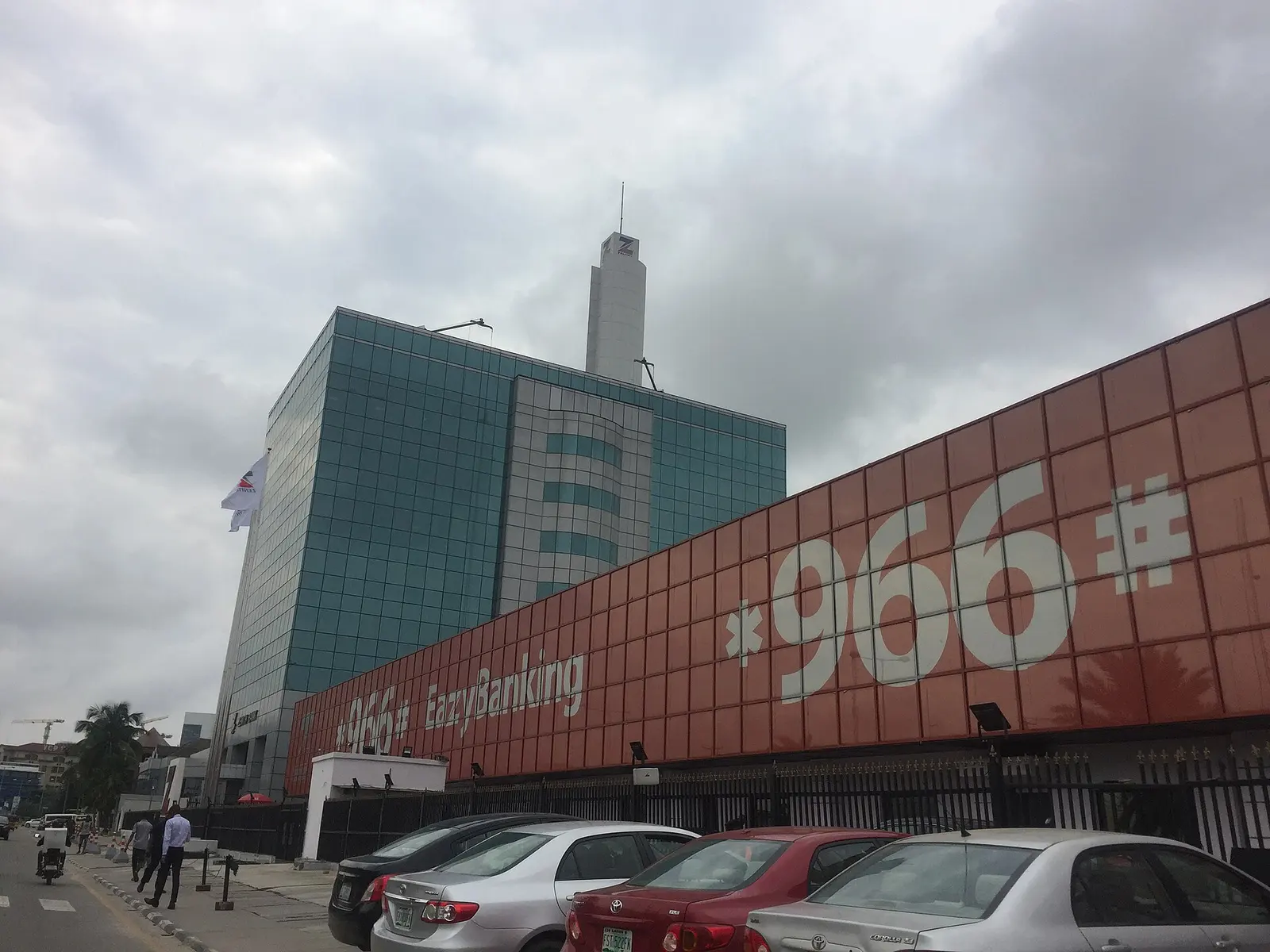

Fitch Ratings has changed its outlook on nine Nigerian banks and two bank holding companies to Positive from Stable, while keeping their long-term ratings at 'B'. The lenders are Access Bank, Zenith Bank, First HoldCo, First Bank of Nigeria, United Bank for Africa (UBA), Guaranty Trust Holding Company (GTCO), Guaranty Trust Bank, Fidelity Bank, First City Monument Bank (FCMB), Wema Bank and the state-owned Bank of Industry (BOI). The move, announced on 14 October, follows Fitch's positive outlook on Nigeria itself on 9 October. It is not an upgrade yet, but it signals that one could come. Here is what changed and why it matters to shareholders and depositors.
Outlook versus rating
A credit rating is an opinion on how likely a borrower is to repay its debts. The outlook shows which way the rating may move next. A Positive outlook means Fitch sees a real chance of an upgrade, but it has not made one. All 11 lenders remain at 'B', the same level as Nigeria. Fitch also left their national ratings and the government support ratings of the commercial banks unchanged.
Why Fitch acted now
In Fitch's view, the standalone strength of Nigerian banks is heavily shaped by Nigeria's own rating, because so much of their money sits with the government. When the sovereign outlook improved, the banks' outlook followed. Fitch said Nigeria's credit profile and operating environment "may become less of a constraint" on the banks' own strength.
It pointed to several improvements:
- The naira gained about 7% in the first nine months of 2026, and the Central Bank of Nigeria (CBN) kept building reserves.
- Inflation, which rose when the Iran conflict began, eased to 15.4% in August from 15.9% in June, and Fitch expects it to keep falling. The National Bureau of Statistics has since reported 14.63% for September.
- Fitch forecasts real GDP growth of 4.3% in 2026, up from 4% in 2025.
- Banks raised large amounts of new capital to meet the CBN's higher minimum paid-in capital rules, which took effect at the end of the first quarter of 2026.
How exposed banks are to the government
Fitch's figures show how tightly Nigerian banks are tied to the state.
| Measure (end-2025) | Range across the rated banks |
|---|---|
| Net loans as a share of total assets | 18% to 41% |
| CBN cash reserves and government securities as a share of total assets | 23% to 45% |
| Sovereign exposure relative to Fitch Core Capital | 150% to 500% |
| CBN cash reserve requirement for commercial banks | 45% |
In other words, many banks hold more government risk than loans to businesses and households. That is why their ratings rise and fall with Nigeria's. Fitch said the sector has coped well with tough rules, including the 45% cash reserve ratio.
Bank by bank notes
- First HoldCo and First Bank. Their outlook change was also helped by First Bank restoring its capital adequacy ratio. It fell below the 15% minimum at the end of 2025 after a jump in bad loans, then recovered to 16.7% by June 2026 on strong profits and a small capital raise.
- Access Bank. Fitch flagged that Access Bank has breached a rule limiting investments in foreign subsidiaries to 10% of shareholders' funds, and its capital ratio of 17.4% at end-March 2026 has only a moderate buffer over the 15% minimum. Fitch expects it to fix this by the end of the first quarter of 2027, partly by recalling capital and selling some small stakes abroad.
- Zenith, GTCO and GTB. Fitch said their standalone scores are held one notch lower than they would otherwise be because of Nigeria's operating environment.
- Fidelity, FCMB and Wema. An upgrade for these would also need Fitch to improve its view of Nigeria's operating environment, and Wema would need a stronger business profile.
- Bank of Industry. Its rating rests on likely government support, given 99.9% state ownership, so it moves with Nigeria's own rating.
What could go wrong
Fitch said a downgrade of Nigeria would lead to downgrades of the banks. Even without that, ratings could fall if bad loans rise sharply, capital buffers shrink or foreign currency liquidity tightens severely. The removal of long-running regulatory forbearance on problem loans already pushed impaired loan ratios higher at the end of 2025.
How the market reacted
Not much on the surface. The NGX Banking Index fell 3.15% in the same week, with Zenith Bank down 6.46% and GTCO down 5.10%, partly because of a dividend price adjustment. Ratings outlooks tend to matter more for borrowing costs over time than for share prices in a single week.
What this means for investors
- It is a signal, not a guarantee. An upgrade depends mainly on Nigeria being upgraded first.
- Cheaper funding later. Better ratings can lower what banks pay to borrow abroad, which may help profits.
- Capital matters. Fitch's notes on First Bank and Access Bank show why you should watch each bank's capital ratio, not just its profit.
- Depositors. Nothing changes for your account, but stronger banks are good for the whole system.
This is for information only and is not investment advice.
FAQ
Which Nigerian banks did Fitch revise to a positive outlook?
Access Bank, Zenith Bank, First HoldCo, First Bank of Nigeria, UBA, GTCO, Guaranty Trust Bank, Fidelity Bank, FCMB, Wema Bank and Bank of Industry.
Did Fitch upgrade Nigerian banks?
No. Fitch kept their long-term ratings at 'B' and only changed the outlook to Positive, which means an upgrade is possible later.
Why are Nigerian bank ratings linked to Nigeria's rating?
Because banks hold large amounts of government securities and cash at the CBN, between 23% and 45% of total assets at end-2025, so their credit strength depends on the government's.
Sources
- ThisDay, "Fitch Revises Outlooks on 11 Nigerian Banks to Positive from Stable" and Fitch statement extracts (16 Oct 2026)
- Nairametrics, "Fitch Ratings revises outlooks of nine Nigerian banks, two bank holding companies" (15 Oct 2026)
- BusinessDay, "Fitch revises outlook on Nigerian banks to positive after sovereign action" (15 Oct 2026)
- Nigerian Exchange Limited, Weekly Report for 16 October 2026 (via Mondo Visione)
This note is for education. It is not a recommendation to buy or sell any share.
Tags: Fitch Ratings, Banks, Credit Ratings, Recapitalisation, CBN